How ViroKill Technology Enhances Interior Safety
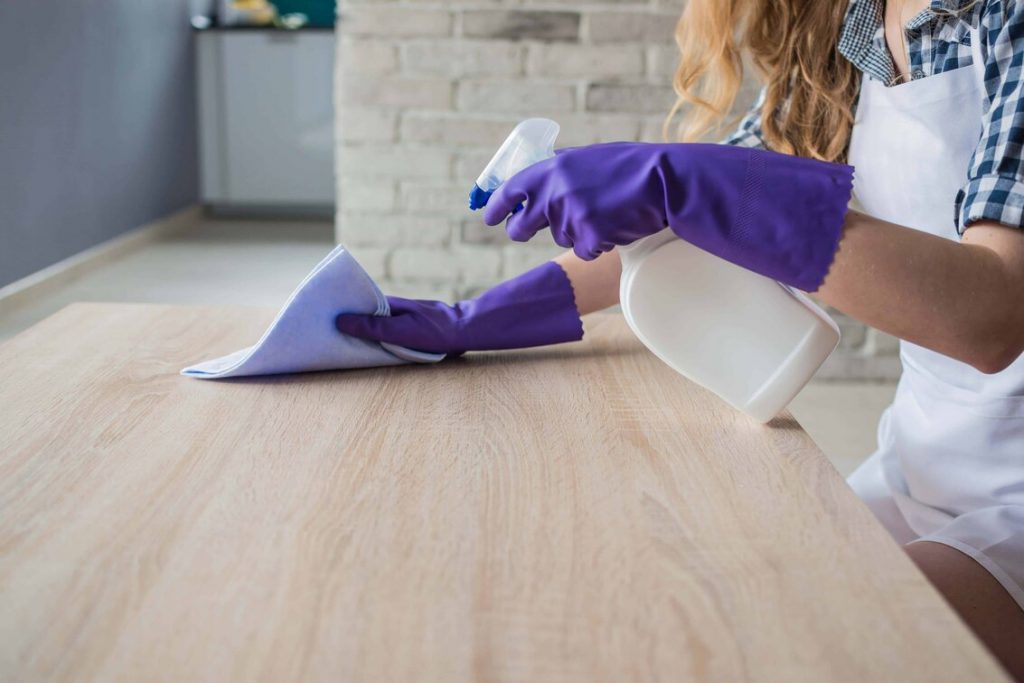
Contemporary interiors appear clean and tidy, but unseen dangers are often lurking on the most frequently touched surfaces on a daily basis. The daily contact with microbes that settle on furniture panels and structural boards exposes homes and workplaces to continuous exposure to microbes. Conventional materials are concerned with strength and appearance, but they are not proactive in dealing with the presence of microbes in closed indoor spaces. This void led to the need for materials that can actively contribute to hygiene, as well as long-term interior protection. This is where Virokill Technology comes in with a new dimension of safety in core building materials.
What is Special about Virokill?
The field of material science has transformed the interior design and protection of the current living and working conditions. The plywood structure is impregnated with Virokill Technology during the manufacturing process, and this enables the surface to be proactive in resisting the harmful microbial activity. The material works in the background instead of being passive to ensure safer surface conditions. Antiviral Plywood is used to provide regular microbial resistance to frequently used interior areas through daily use cycles. In the long run, this will help in creating cleaner environments that will facilitate safer indoor living conditions among families and professionals.
Constant Protection On Surfaces.
Contamination on surfaces is transmitted silently by repeated contact with furniture panels, wardrobes, study tables, and shared work surfaces. Frequent cleaning eliminates the visible dirt, but microbial growth may recur between cleanings in interior settings. Virokill Technology operates 24 hours in the plywood matrix to minimise microbial survival on treated surfaces during daily use. This permanent protective coating of Antiviral Plywood assists in keeping the hygiene better without the need to apply extra coating or external chemical treatment. This type of built-in protection is useful in residential, office, clinic, and learning environments where contact with surfaces is common during the day.
The Reason Why Interiors Require Active Safety Layers.
The interior spaces have been made to be comfortable, productive and long indoor stay in the contemporary lifestyles and working patterns. Individuals spend hours in the house, and this enhances contact with the furniture surfaces during normal daily activities and common activities. Passive materials are not able to respond to this increasing concern of invisible surface contamination in closed spaces. Virokill Technology enhances interior safety by transforming structural plywood into an active protection component instead of a construction component. Antiviral Plywood is relevant in the role where hygiene expectations are high in residential, commercial, and healthcare-related areas.
Performance Advantages in Everyday Life.
The interior materials should be able to balance strength, durability, and hygiene support to suit the modern lifestyle expectations in various usage settings. Virokill Technology does not affect structural stability and still provides protective action in plywood layers during the life of the product. Antiviral Plywood is used to provide protection that does not interfere with workability, finishing, or installation during interior execution. Designers, contractors, and homeowners are interested in solutions that provide long-term value and predictable performance under real-life conditions. This technology helps to sustain that expectation by providing consistent microbial resistance in the plywood core itself.
Key Interior Advantages
- Virokill Technology helps to maintain safer surface conditions in commonly used furniture areas in homes and workplaces.
- Antiviral Plywood decreases the survival of microbes on treated surfaces in daily contact and routine use cycles.
- Virokill Technology is a continuous working technology in a plywood structure that does not need any extra coating or surface treatment.
- Antiviral Plywood retains structural integrity and hygiene-oriented surface protection over the long-term interior application.
- Virokill Technology helps to create healthier indoor environments where contact with surfaces is inevitable on a daily basis.
Modern Interiors Long-term Value.
Quality in the current interior material selection in residential and commercial construction projects is no longer determined by durability. Material selection in homes, offices, healthcare facilities, and educational settings is now affected by safety, hygiene, and long-term surface reliability. Virokill Technology responds to this change by incorporating microbial resistance into the plywood structure instead of applying temporary surface solutions. Antiviral Plywood helps maintain a steady hygiene performance, which is in line with the current demands of safer and healthier interior environments. This has, over the years, helped in minimising the risk of contamination of the surface as well as reliable material performance.
Conclusion
Interior safety has become an essential priority within modern living and working environments where hygiene expectations continue to rise steadily. Virokill Technology by CenturyPly transforms traditional plywood into an active protection material that supports cleaner and safer interior spaces. The consistent performance of Antiviral Plywood ensures long-term hygiene support within furniture and structural applications across everyday use. This approach strengthens interior environments by combining durability with built-in microbial resistance for lasting peace of mind.