How to Design a Home That Suits Brisbane’s Climate and Lifestyle
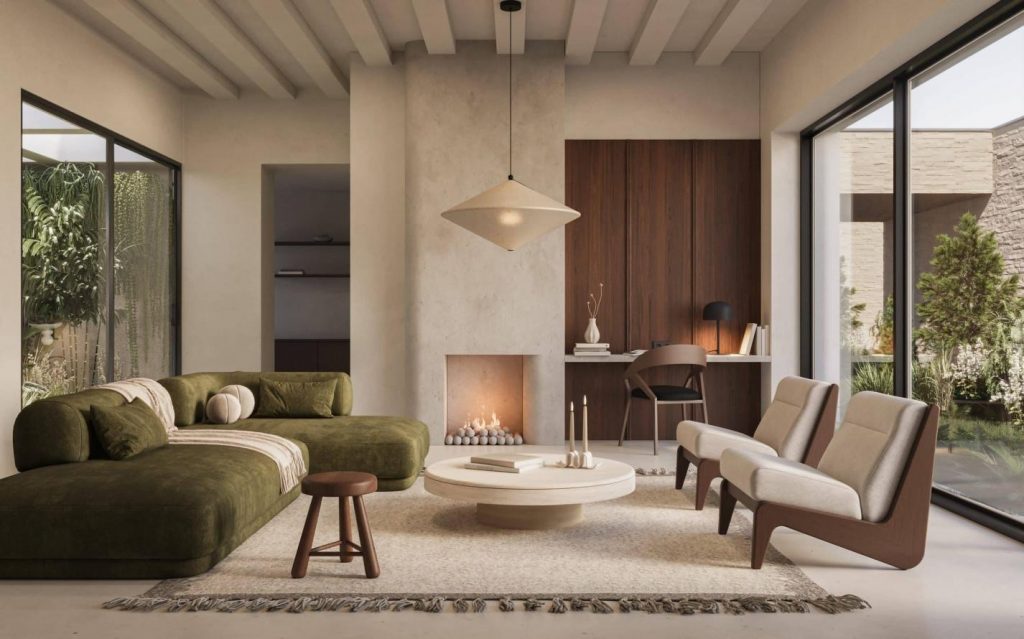
Brisbane’s warm climate can be a real advantage when a home is designed around it. Instead of relying heavily on air conditioning, thoughtful planning can make better use of daylight, breezes and outdoor areas. Home designers Brisbane can help homeowners consider these factors from the early design stage, rather than trying to solve them later. A comfortable Brisbane home should feel connected to its surroundings while being practical for everyday life.
The guide covers practical ways to design a climate-friendly, comfortable, and energy-efficient home suited to Brisbane’s lifestyle.
Let Natural Airflow Do More of the Work
Good ventilation starts with the layout, not only the windows. Positioning openings on opposite or adjoining sides of the home can encourage cross-ventilation and allow warm air to move out naturally.
Window size and placement also matter. A few strategically positioned windows can sometimes be more effective than adding larger ones everywhere. Living rooms, kitchens and bedrooms should have opportunities for airflow, where the family spends most of its time.
Internal planning helps too. Keeping doorways and living spaces reasonably open can allow breezes to travel through the house instead of stopping at the first wall.
Work With Brisbane’s Sun Rather Than Against It
Brisbane receives plenty of sunlight, which is useful until the afternoon heat starts building up. Building orientation should therefore be considered early in the design process.
Eaves, verandahs, awnings and external shading can reduce direct sunlight entering windows. This is helpful for areas exposed to strong afternoon sun, which can make rooms uncomfortable even after the outside temperature begins to fall.
It is easy to focus on how a home looks from the street and forget what the sun will do inside it. A quick look at the site throughout the day can reveal a lot.
Bring Outdoor Living Into the Floor Plan
Outdoor living is a natural part of the Brisbane lifestyle. A well-planned alfresco area can become an extension of the kitchen or living room rather than a separate space that gets used occasionally.
Large openings, sliding doors or folding doors can create a stronger connection between inside and outside. They also give homeowners more flexibility when entertaining or opening the house up on a pleasant evening.
The key is balance. Too much exposed glazing without suitable shading can increase heat gain, so outdoor connection needs to be planned alongside solar control.
Think About Energy Efficiency Before Construction
Energy efficiency is easier to achieve when it is built into the design rather than added later. Insulation in ceilings and walls can help moderate indoor temperatures, while suitable glazing can reduce unwanted heat transfer.
Passive design principles are useful in Brisbane. Orientation, shading, ventilation and window placement can all reduce the demand for mechanical heating and cooling.
This does not mean air conditioning has no place. It is useful during hot or humid periods. The goal is to avoid making the cooling system do all the work.
Pick Materials That Can Handle Local Conditions
Brisbane homes need materials that can cope with heat, humidity, rain and changing weather. Exterior finishes should be selected for durability and appearance.
Low-maintenance cladding, roofing and paving can reduce the amount of ongoing upkeep. It is also worth considering how quickly surfaces weather, fade or require repainting.
A material may look excellent in a showroom but behave differently once exposed to Brisbane’s conditions for years. Practicality matters for homeowners planning to stay in the property long term.
Shape the Design Around Your Block
Not every Brisbane block offers the same opportunities. A narrow site may require a more linear floor plan, while a sloping block could benefit from split levels or carefully positioned living areas.
Privacy should also be considered from the beginning. Window placement, landscaping, screening and the position of outdoor areas can make a significant difference, on smaller or closely spaced blocks.
Then there is lifestyle. A growing family may need flexible rooms, additional storage or spaces that can change purpose over time. Someone working from home may have very different priorities. Good design leaves some room for life to change.
Final Thoughts
Designing for Brisbane’s climate is not about following a fixed formula. It is about understanding the site, the sun, prevailing breezes and the way the household lives.
Natural ventilation, sensible shading, outdoor connections, energy-efficient choices and durable materials can all improve everyday comfort. Working with experienced home designers in Brisbane can also make it easier to bring these considerations together before plans are finalised.
A home does not have to fight the local climate. With the right planning, it can work with it and that makes the finished space feel more comfortable, practical and naturally suited to Brisbane life.