Benefits of ViroKill Technology in Interior Surfaces
The materials used in the interior today are supposed to provide more than just structural support and beauty. Homeowners are seeking surfaces that add to hygiene as well as durability. This change of expectation has generated the need for Virokill Technology in residential and commercial interiors. The surface is made an active participant in cleaner indoor environments when incorporated into Antiviral Plywood.
With increased time spent indoors, the level of awareness regarding surface hygiene is increasing. Walls, cabinets, and partitions are in constant contact with daily activity. The selection of materials that facilitate cleanliness without altering the design purpose is a responsible choice.
A Hygienic Layer Inbuilt in the Surface:
Conventional interior panels are primarily concerned with strength and finish. Nevertheless, contemporary families need additional security in the most visited places. Virokill Technology is an embedded protection system in Antiviral Plywood that assists in minimising the existence of harmful microbes on the surface.
This integration makes hygiene not an afterthought. Rather, it is incorporated into the main content. When surfaces are actively resistant to microbial activity, the general indoor environment becomes more secure. This type of built-in protection helps families, offices, and healthcare environments where contact on the surface is inevitable.
Security without Sacrificing Design:
Homeowners are usually reluctant to use protective materials that change the look of interiors. In contemporary spaces, visual consistency is still relevant. Virokill Technology is a solution to this issue as it operates in the Antiviral Plywood without interfering with its finish or texture.
The flexibility of design is not lost since the technology does not interfere with decorative laminates or surface treatments. Cabinets, wardrobes, and panelled walls still appear elegant and organised. Meanwhile, they come with an additional microbial resistance. This harmony between security and beauty promotes bold interior design.
Promoting Health Conscious Living:
In recent years, material selection has been focused on health awareness. Families desire to be assured that their homes are adding value to wellbeing. Virokill Technology is an addition to the Antiviral Plywood to provide an additional layer of protection against viruses that accumulate on surfaces.
This integration is often applied to frequently touched surfaces like kitchen cabinets, door panels, and study desks. Daily maintenance is more effective when surfaces are hygienically supported. Hygienic environments lead to emotional comfort and tranquilly. This practical reassurance enhances the attractiveness of hygienic interior materials.
Long Term Surface Reliability:
The first factor in the selection of plywood is durability. The interior surfaces should be resistant to regular cleaning, humidity variations, and daily wear. Virokill Technology operates in Antiviral Plywood without compromising structural stability or surface performance.
The plywood maintains its strength and provides antimicrobial advantages. This makes sure that homeowners do not need to sacrifice longevity to hygiene. Surfaces maintain their performance over years of use. Sustainable interior planning is supported by the fact that reliable materials minimise the frequency of replacements.
Ideal For High Contact Areas:
Some spaces are more touched and interacted with. This category includes kitchens, offices, classrooms, and retail settings. Virokill Technology upgrades Antiviral Plywood to meet such challenging conditions.
Cabinet shutters, partitions, reception desks, and storage units are in constant contact. Integrated antiviral properties in such situations help to keep the surfaces cleaner. This renders hygienic plywood applicable for residential and commercial use. Its functional value is enhanced by the capacity to operate in a variety of environments.
Minimising Maintenance Issues:
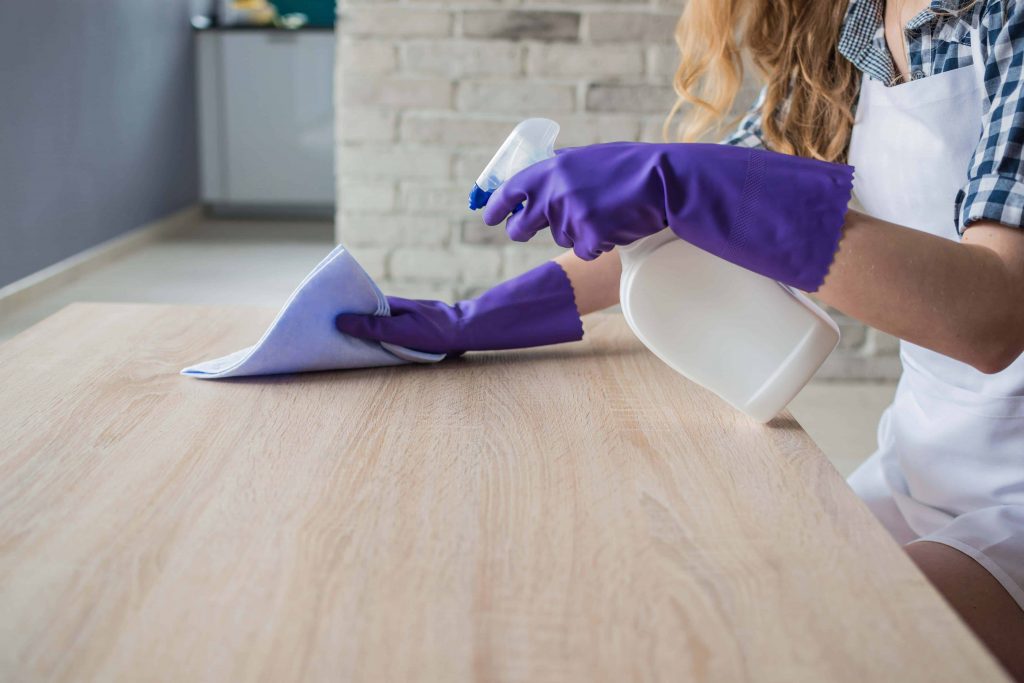
Hygiene practises are still necessary in all households and workplaces. Nonetheless, hygienically supportive surfaces minimise further concern. Virokill Technology in Antiviral Plywood is an addition to the normal cleaning procedures that provides continuous microbial resistance.
This combined method does not substitute for cleaning. Instead, it strengthens it. The more surfaces are resistant to the accumulation of viruses, the more confidence households have in their daily hygiene. The maintenance is also easy, and the material still provides protection in the background.
Meeting Contemporary Interior Requirements:
The interior design of 2026 is a blend of safety, durability, and beauty. The materials should be able to cover real-life issues without being technical and intrusive. Virokill Technology makes sure that Antiviral Plywood is in line with these changing expectations.
Surfaces are aesthetically aligned with modern design themes. Simultaneously, they react to the increased awareness of indoor hygiene. This correspondence is a sign of responsible material innovation that promotes design intent and functional necessity.
A Future Ready Responsible Choice:
The interior surfaces affect the day-to-day living more than most homeowners are aware of. They influence aesthetic appeal, structural integrity, and, currently, sanitation. Virokill Technology reinforces Antiviral Plywood by incorporating antiviral properties into the material.
This integration facilitates health-conscious choices without disrupting aesthetics or longevity. This method has practical value to families, institutions, and commercial spaces that require reliable hygienic solutions. The fact that CenturyPly has invested in the incorporation of Virokill Technology into Antiviral Plywood shows that careful material development can help to make interiors safer and more resilient.