Can a Leak in a Hot Water Heater Be Fixed?
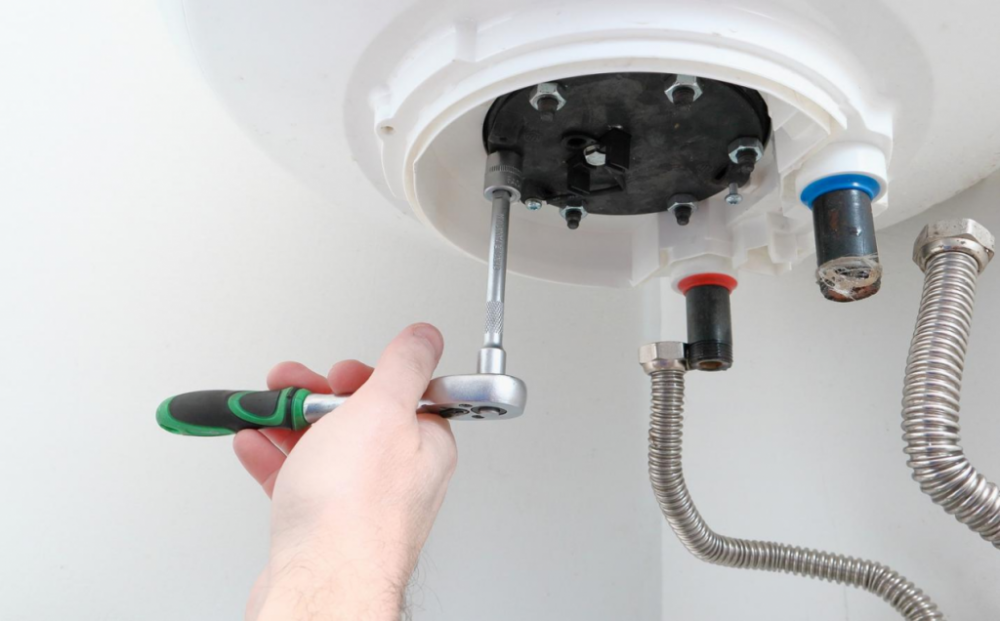
Leaking hot water heater is among the most common plumbing problems encountered by homeowners in Australia. No matter if there is a small amount of water accumulating around the hot water heater or if it is dripping from the pipes and valves, a question arises: Can a hot water heater leak be fixed?
Fortunately, it’s possible for many leaks to get fixed if they are identified early enough. Yet the method will depend on where the leak originates, on the age and condition of the entire system. While in some cases the Hot Water System Repairs can help you fix the issue, in others it might be more reasonable to replace the whole system.
Here you will find information about the causes of hot water heater leaks, leaks that can be repaired and the situations where replacing the system might become necessary.
Why is my Hot Water Heater leaking?
A hot water heater system has several parts: pipes, valves, fittings and the storage tank. Water can escape from any of these parts if the part is damaged or becomes worn out over time.
Typical causes of leaking in a hot water system are:
● Laxness in pipe connections
● Defective temperature and pressure relief valves
● Corroded tank
● Broke drain valves
● High water pressure
● Worn seals and gaskets
● Damage to the storage tank
Establishing the exact cause of leakage is the first step in determining whether the Hot Water System Repairs can be performed.
Leaks Which Can Generally Be Repaired
A large number of hot water system leaks are relatively small in scale and can be fixed by a skilled plumber.
Laxness in Pipe Connections
Due to vibrations, temperature fluctuations, and wear and tear, pipe connections become loose.
Signs are:
● Dripping from connecting pipes
●Water accumulation at the place of fittings
● Some moisture at joints
Usually, tightening or changing the fitting solves the issue promptly and inexpensively.
Defective Temperature and Pressure Relief Valve
The temperature and pressure relief (TPR) valve is a safety valve intended for releasing extra pressure in the system.
In case the valve is broken, it might:
● Drip constantly
● Leak a large amount of water
● Not control pressure properly
Fortunately, changing a broken TPR valve is quite common among Hot Water System Repairs.
Faulty Drain Valve
The storage-type water heaters have a drain valve to facilitate their maintenance and cleaning.
After some years of use, this drain valve may wear out and fail to close tightly.
It might be possible for a plumber to:
● Tighten the valve
● Repair seals if any are broken
● Replace the whole drain valve
Such kinds of work are usually rather simple and inexpensive.
Old Seals and Gaskets
The many parts of a water heater system have rubber seals and gaskets to prevent leaks.
With time, these seals get brittle, and cracks may appear in them.
In this case, the plumber will have to replace such faulty seals.
Small Pipe Corrosion
Corrosion may develop in external pipes and joints with time.
If corrosion is minor and does not affect the tank, it may be possible to fix the problem by replacing the corroded pipe section.
Leakages Requiring Replacement
Not all leaks can be fixed, however.
Corroded Hot Water Tank
One of the major reasons for leaks is the corrosion of the hot water tank.
The storage tanks have a sacrificial anode rod, which is supposed to draw in all the corrosive elements. However, the rod gets corroded and requires periodic replacement.
In case this rod is not maintained, it leads to corrosion starting on the tank.
Indicators that the tank has been corroded include:
● Rusty coloured water
● Presence of rust on the tank surface
● Leaking water from the tank
Once the tank gets rusty, there is little or nothing that can be done to fix it.
Cracked Tank
The hot water tank functions under high pressure and temperature changes.
With time, the metal weakens until it cracks.
It would be dangerous to weld or patch up a cracked tank since the repair is unlikely to withstand the pressure.
Older Systems
Even in the case of a seemingly minor leak, the age of the system determines whether repairs are feasible.
Common lifespans are:
● Electric Storage System: 8 – 15 years
● Gas Storage System: 8 – 12 years
● Continuous Flow System: 15 – 20 years
In the case when the life expectancy of your system comes to an end, Hot Water System Repairs would be rather ineffective in terms of expenses for you.
Where Does the Leak Come From?
Before calling a plumber, you can try to conduct a visual inspection yourself.
Look for Problems around the Top of the System
The leaks at the top usually signify:
● Loose pipe connections
● Valve failures
● Damaged fittings
They are repairable problems.
Look for Problems around the Middle of the Tank
Dripping water on the side of the tank might mean that there is:
● Condensation
● Corrosion
● Internal tank problems
Inspection by a professional is highly advisable.
Look for Problems around the Bottom of the Tank
Dripping from the bottom of the tank could mean that the tank itself has become faulty.
Tank replacement would be required in such situations.
Is a Leak of Hot Water Heater Dangerous?
Neglecting leakage is a big mistake.
The following problems can arise:
Water Damage
The water leaks can harm:
● Flooring
● Walls
● Cabinets
● Building foundation
Electric Safety Threats
Water near the electrical components in the case of electric hot water heaters might pose dangers.
Growth of Mould
Moisture encourages mould and mildew growth, which may have effects on air quality indoors.
Higher Water Bills
The continuous use of leaking water causes high bills from the supplier.
Prompt Repairs for Your Hot Water System will enable you to avoid all those mentioned dangers.
What Should You Do If Your Hot Water Heater Is Leaking?
If you notice any leaks:
Step 1: Turn Off the Power Supply
In case you have an electrical heater, turn the electricity off from your circuit breaker.
If it’s a gas heater, turn off the gas supply if it’s safe to do so.
Step 2: Close Your Water Supply
Close the isolation valve for the cold water supply.
Step 3: Hire a Licensed Plumber
A professional plumber will:
● Find out where the leak is coming from
● Determine the state of your hot water system
● Recommend either repairs or installation
Don’t try to fix the system yourself, especially when it operates under pressure.
How Can You Avoid Future Leaks?
Maintenance is one of the most effective ways to prevent future leaks.
Tips for Preventive Maintenance
● Perform regular inspections
● Periodically flush storage tanks
● Replace sacrificial anode rods
● Inspect pressure relief valves
● Look for pipe and fitting corrosion
● Fix any small leaks
Preventive maintenance will increase your system’s life and minimize the need for costly Hot Water System Repairs.
Repair or Replacement: Which One Is More Suitable?
Different aspects should be taken into account in order to choose the most suitable approach:
Repairing the Hot Water Heater Is More Suitable When:
● It is a new system
● The leak is caused by a valve or fitting
● Cost of repairs is acceptable
● The tank is still in good condition
Replacing the Hot Water Heater Is More Suitable When:
● It is leaking from the tank
● Corrosion is significant
● The age of the unit exceeds 10-15 years
● Frequent repairs are needed
● Energy efficiency is poor
An expert opinion will help you choose the most cost-efficient option.
Conclusion
Can a leak in a hot water heater be fixed?
In many instances, yes. Leaks that result from defective valves, loose pipes, or damaged seals can often be fixed using Hot Water System Repairs provided by experts. But when there is corrosion or damage in the storage tank itself, replacement is often considered safer and more feasible.
The trick here is prompt action. Even a minor leak can cause water damage, high bills, and expensive repairs if not addressed early enough. Maintenance can ensure you enjoy an efficient hot water system for years to come.
Frequently Asked Questions
Is it possible to repair a leaking hot water heater?
Leakages resulting from damaged valves, pipes, seals, and other parts can be repaired, but not those arising from a damaged or corroded storage tank.
Is it safe to use a leaking hot water system?
Not really. Extended use increases water damage and also poses dangers depending on where the leak is located.
How much does it cost to fix Hot Water Systems?
Depending on the problem, the cost differs. The replacement of valves or fittings will be cheaper than the repair of more serious components. A specialist can give you an estimate after checking the situation.
How to tell if your hot water tank is leaking?
You should see moisture around the bottom part of your tank, rust spots, moisture on the tank itself, or even rising bills.
Is a pressure relief valve leak repairable?
Yes. Many times, it can be easily solved by replacing the temperature and pressure relief valve.
Do I need to fix or replace my leaking hot water system?
It depends on the severity of the leak and how old your water heater is. If the leak is small and your unit is not too old, repair might be a good choice. Otherwise, a replacement would be beneficial for you in the long run.