The Ultimate Guide to Concrete Floor Polishing Techniques
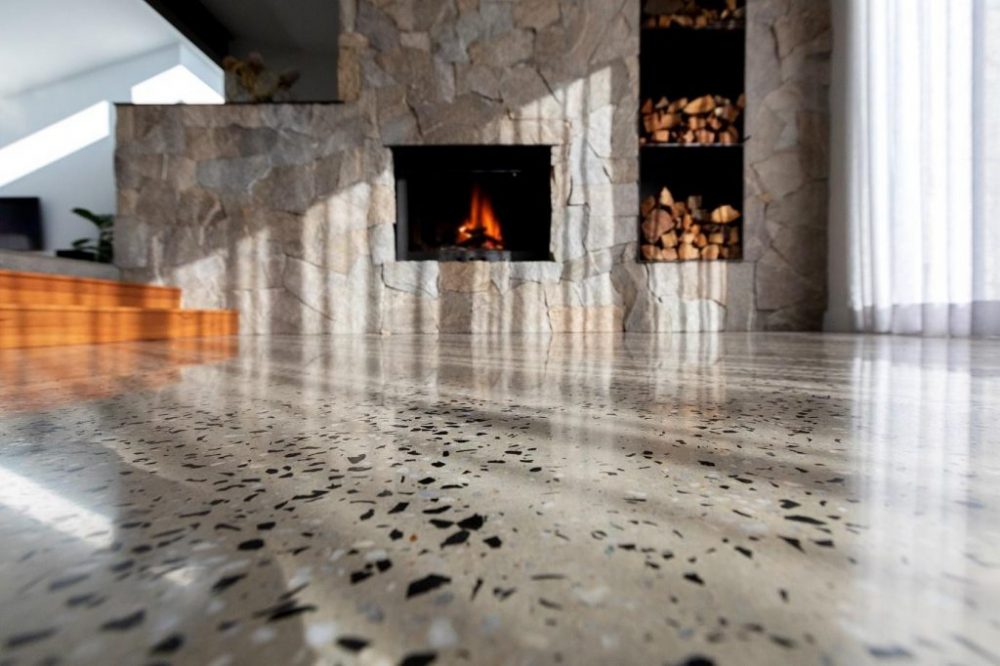
Have you ever walked into a sleek showroom or modern home and wondered how they achieved that stunning, mirror-like floor? Are you considering upgrading your tired, grey concrete slab into something that genuinely turns heads? Perhaps you’re curious about whether polished concrete is actually worth the hype—or just another passing trend?
If you’ve found yourself nodding along to any of these questions, you’re in the right place. concrete floor polishing sydney, has taken Australia by storm, transforming everything from warehouse conversions in Melbourne to contemporary homes in Perth. What was once seen as purely industrial has become a genuinely desirable design choice for homeowners and business owners alike.
In this guide, we’ll walk you through everything you need to know about concrete floor polishing sydney. From understanding the different methods available to figuring out costs, maintenance requirements, and whether DIY is realistic—we’ve got you covered. By the time you finish reading, you’ll have a solid grasp of what’s involved and whether polished concrete is the right flooring choice for your space.
Benefits of Polished Concrete Floors
The popularity of polished concrete across Australia has multiple factors which need examination for their explanation. The first factor to examine is durability. A properly polished concrete floor can last decades with minimal upkeep. Polished concrete survives through time because it does not experience the same damage that tiles suffer from cracking and carpets suffer from staining and wood floors suffer from scratching.
Enterprise requires less effort because business operations need straightforward procedures to keep their systems running. Sweeping needs to be done on a regular basis while mopping with a neutral cleaner happens at infrequent times. The system does not need waxing or resealing every few months or any specialized products. The system creates authentic time savings and cost reductions for both busy households and commercial areas.
Polished concrete performs well for the environment because it produces no negative effects. Your work involves using the existing slab because you will not need to add more materials onto it. The reflective surface reduces the need for artificial light which leads to lower energy consumption. The sustainable nature of polished concrete becomes apparent when you consider its extended lifespan as a flooring solution.
Types of Concrete Floor Polishing Techniques
Not all polished concrete delivers the same quality results. Selecting the right approach becomes easier when you understand the various techniques which exist.
The predominant method of mechanical polishing uses industrial grinding machines which operate with diamond-impregnated discs. This can be done dry or wet. The dry method of polishing produces faster results but creates less cleanup work while the wet method controls dust production at the expense of needing to manage water resources. Dry methods of operation become the preferred choice for most Australian contractors who work in indoor residential areas.
Polishing operations use chemical densifiers and hardeners as essential elements. The silicate-based products enter concrete materials to enhance their surface hardness which results in improved floor strength. Concrete needs these materials to build internal strength which functions as its concrete vitamins.
The system of grind and seal provides a different method for treatment. A topical sealer application after grinding provides the glossy finish instead of mechanical surface refinement. The method provides effective results on imperfect slabs, but it requires more maintenance work during the extended period. Specific floor conditions call for hybrid techniques which combine elements from both approaches.
How is Concrete Floor Polishing Done?
The polishing process uses a methodical approach to change rough concrete into refined surfaces. The process requires understanding because it expresses the artistic value of the work.
The process starts with the first step of preparation. The contractors need to evaluate the slab conditions which include repairing all cracks and damages while they remove any existing coatings and adhesives from the surface. The groundwork needs to be done because without it the results will turn up as failures. The diamond tooling process starts with coarse diamond tooling which operates at 30 to 40 grit to eliminate defects while showing fresh concrete.
After that process, contractors move toward the next step which uses the 80 and 150 and 300 and 800 and higher grits to achieve high gloss results. The surface needs chemical densifiers, which harden the material between every stage. Each step of the process refines the floor throughout its entire range of sanding timber, which achieves progressively smoother surfaces.
The system needs planetary grinders and edge grinders for corner work and industrial vacuums with HEPA filters and different types of diamond tools. The machines which professionals use for their work require tens of thousands of dollars in expenses because of this reason DIY efforts usually do not meet expectations.
Choosing the Right Finish for Your Space
The finish level determines how the final product will look according to its appearance. Natural surfaces with subtle sheen become available through matte finishes which achieve ground finishes at 400 grit. The surfaces work well for spaces that get heavy foot traffic because their scratch marks become easily visible.
Satin finishes (800 grit) provide a soft lustre that reflects some light without being overly shiny. This middle-ground option works beautifully in residential living areas, balancing aesthetics with practicality.
High-gloss finishes (1500-3000 grit) create a reflective appearance which delivers both sophisticated and impressive results. The surfaces need careful cleaning because they show dust and scratches to a greater extent, which makes them ideal for spaces with controlled foot traffic.
Decorative options exist for spaces which require specific shine levels. Acid staining creates rich, variegated colours with organic patterns. The surface can be cut to create two types of designs through scoring: geometric designs and borders. The aggregate exposure technique reveals stones from the concrete mix, which leads to added texture and visual appeal. The artistic techniques can turn ordinary concrete floors into actual concrete artworks.
How Much Does Concrete Floor Polishing Cost in Australia?
Budget considerations matter, so let’s talk numbers. The price range for polished concrete work in Australia falls between $50 and $150 per square meter based on different aspects that affect costs.
The existing slab condition becomes the primary factor which determines how much pricing will change. The slab needs less work to prepare when it is clean and properly installed compared to a slab that contains cracks and coatings and uneven surfaces. The finishing level creates a pricing difference that spans from basic grind and seal work to comprehensive high-gloss mechanical polishing that includes decorative features. The quotes receive alterations because of three factors: geographic area, accessibility, and total project size.
Is it worth the investment? The durability and extended lifespan of polished concrete make it more cost-effective than other options because it needs no replacements and possesses low upkeep expenses. The initial cost of polished concrete exceeds that of standard vinyl and carpet alternatives. The situation needs assessment as a long-term investment instead of being treated as a temporary solution.
Can You Polish an Existing Concrete Floor?
Great news—most concrete floor polishing sydney can indeed be polished. However, a professional assessment is essential before committing.
The contractors assess the combination of aggregate quality and slab thickness and existing coatings and crack severity to determine their work. Most cases of minor surface damage and discolouration and old paint are easy to handle. The situation becomes difficult when concrete suffers from severe spalling and deep structural cracks and slabs contain incompatible coatings.
Workers can use colour-matched epoxy to patch up tiny cracks which develop as common issues. The preparation process requires grinding away all the old adhesive residues from the surfaces to be treated. The polishing process starts after the workers complete their work in making the surfaces uniform. The slab requires replacement when its basic structural problems exist or it contains substandard aggregate materials. A reliable contractor will provide you with truthful guidance instead of making impossible commitments to you.
DIY Concrete Polishing vs Hiring a Professional
The ability to rent equipment creates an appealing option which makes people want to pursue DIY projects. The process requires careful assessment before you start to do things on your own.
The two benefits of doing the work yourself are saving on labor costs and feeling satisfied about finishing the job. People can finish small projects in their garage or shed by using rented tools and working at a slow pace.
The operation of the equipment presents major problems which create substantial drawbacks. The equipment available for rent does not reach the performance level of equipment used by industry professionals. The achievement of consistent outcomes requires operators to have acquired their skills through multiple project experiences. The team needs to fix mistakes which involve using incorrect grinding sequences and performing uneven grinding and applying densifier in the wrong way.
Professional contractors possess industrial equipment and work efficiency while training in all concrete types. The team knows how various concrete mixes function which enables them to solve problems fast while producing the same results every time. The installation process conducts professional work which leads to greater results in areas that require strong visual presentation. The price difference becomes worthwhile once you witness the final outcome.
Caring for Your Polished Concrete Floor
The process of maintaining your polished concrete floor requires basic steps which keep it looking excellent throughout its entire lifespan. Daily sweeping and dust mopping activities remove the dust particles which have the potential to damage the floor. The cleaning process requires weekly mopping with plain water together with a pH-neutral cleaner to remove standard dirt while keeping the flooring intact.
The use of vinegar and ammonia-based cleaners and all acidic products should be avoided because these items will cause surface etching as time passes. You should also stay away from all wax plus polish products because they create a layer which makes the floor appear less attractive. The cleaning products for polished concrete floors should include only those items which manufacturers have specifically created for that purpose.
For scratches and stains, act quickly. The person needs to wipe away spills as fast as possible because they will create permanent stains. A polishing pad can effectively remove most light scratches. The repair process of deeper damage needs experts to fix it. The person should place felt pads under all furniture legs while using mats at all entrances to keep dirt from entering the floor space.
Common Mistakes to Avoid When Polishing Concrete Floors
The identification of typical mistakes will help you with your DIY process and contractor oversight process.
The biggest mistake people make is to avoid preparing themselves. The process of surface repair needs to be completed before the worker can start on floor surfaces plus finishing work.
Finishing materials become uneven when wrong grit sequences are used. Each grinding stage needs to treat the previous scratches fully before moving to the next stage. The jump to the next step results in visible marks which become stuck under the final finish.
The results get affected when people skip the required curing times needed for densifiers. The products require a specific time period to complete their reaction to concrete before any further grinding work can occur. The process requires you to wait until the time passes because the end result will be worth your efforts.
Conclusion
Polished concrete flooring provides exceptional durability and stylish appearance which requires minimal upkeep. You can now make educated choices regarding your flooring project because you have learnt about all available polishing techniques and DIY work versus professional installation.
Do you want the main points? Existing floors can typically be polished, but professional assessment ensures you know what you’re working with. The primary living areas need professional workers to achieve better results than DIY work should provide for all small projects. The maintenance process requires simple tasks which help keep your beautiful finish intact for many years.
If your Australian home or business needs polished concrete, acquire several quotes while learning about contractor methods and viewing previous work examples. Your flooring choice will directly impact your financial investment in floor materials. Your flooring choice should lead to a decision that remains pleasing for the upcoming three decades.