What to Include in Your Building Design Brief
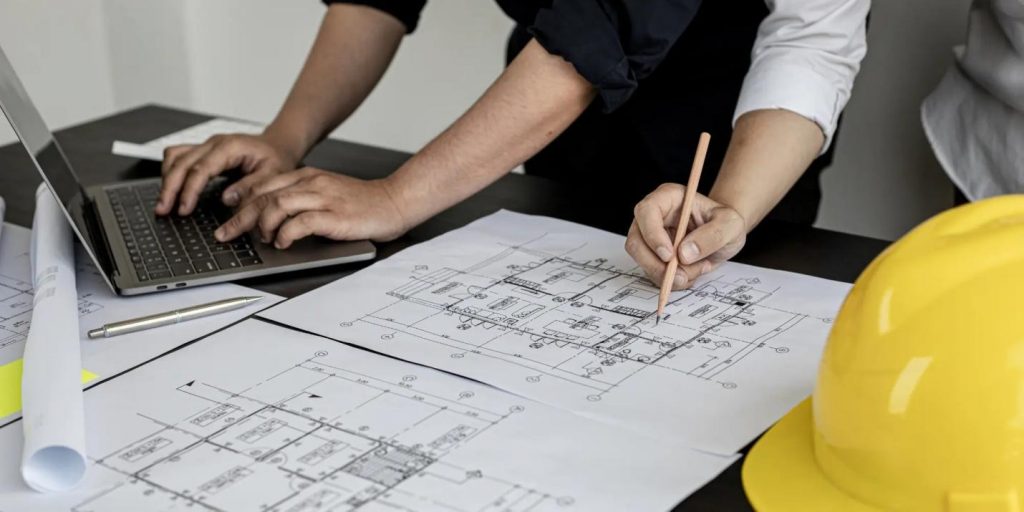
Starting a building project is rarely straightforward. Even when the idea feels clear in your head, putting it into words can be harder than expected. That’s where a building design brief becomes important. It acts as a reference point for everyone and helps your design practitioner understand what you want, what you need, and what you might be unsure about. A well-prepared brief doesn’t lock you into decisions forever, but it does provide a strong foundation for the design process.
This article covers the key elements you should include in a building design brief and explains how each part helps create clearer or practical outcomes.
Project Overview and Purpose
Begin with a simple project description. Explain what you are building and why. Is it a new home, a renovation, an extension, or a commercial space? What problem is the project meant to solve, or what improvement are you hoping to make?
This section does not need detail. A few clear sentences are enough. The goal is to set context so everyone understands the purpose of the project from the beginning.
Your Overall Vision
This is where you explain how you want the building to feel, not only how it should look. Some people want spaces that feel open and bright. Others prefer something quieter and more private. There is no need to use technical language.
You can also mention designs or styles you like, as well as things you want to avoid. Even mixed opinions are useful. A brief that reflects real thoughts, rather than polished ideas, is more helpful.
Site Details and Known Constraints
Every site comes with its conditions. Include details such as site size, orientation, slope, access points, or existing structures. If you are aware of planning rules or restrictions, mention them here.
It is fine if some information is missing. The important thing is to share what you already know so potential issues can be identified early than later in the process.
Budget Range and Financial Limits
Budget is the most important part of a design brief, yet it is left vague. While exact figures are not always possible, providing a realistic range helps guide design decisions.
Being upfront about financial limits allows your design team to focus on solutions that are achievable. It also reduces the risk of designs needing major changes later due to cost concerns.
Functional Requirements
This section focuses on how the building needs to work. List the spaces you require, such as bedrooms, offices, living areas, storage, or outdoor zones. You can also mention the approximate sizes as per your special preference.
It will be helpful to think about daily routines. For example, where people enter, how spaces connect, or where privacy is needed. These practical insights lead to more thoughtful layouts.
Sustainability and Performance Goals
Every project does not have strong sustainability targets, but most have minimal performance expectations. This might include energy efficiency, natural ventilation, insulation, or long-term running costs.
You only need to describe what matters to you. This gives the design team flexibility to suggest options that suit your priorities and budget.
Planning and Approval Considerations
If you know that approvals or permits will be required, include this information. You may also note any previous discussions with local authorities or consultants.
This helps set realistic expectations around timeframes and complexity. Projects that involve approvals take longer, and acknowledging this early can reduce frustration.
Timeline and Key Dates
Outline your preferred timeframe for the project. If there are deadlines you need to meet, explain the reasons why they are important. If the schedule is flexible, say so.
Timelines of the project tends to change, but you should set the initial expectation that helps with planning and coordination across different project stages.
Communication and Decision-Making
Explain how you prefer to communicate and who will be responsible for decisions. Will one person make final choices, or will decisions be shared?
Clear communication preferences help avoid confusion and ensure that feedback is provided in a way that suits everyone involved.
Level of Involvement
Some clients want to be closely involved in every step. Others prefer updates at key milestones. There is no right or wrong approach.
Including this information helps your design team understand how much collaboration you expect and how they should check in with you.
Conclusion
A building design brief is not meant to be perfect or overly technical. It is a practical document that captures your goals, priorities, and constraints at a specific point in time. When prepared carefully, it helps your design practitioner respond with solutions that are realistic, thoughtful, and aligned with your expectations. Taking the time to create a clear brief at the beginning can reduce misunderstandings, save time, and lead to a smoother design process overall.