Behind the Finish: How Modern Plywood Shapes the Homes of Tomorrow
A home does not begin with paint or lighting. It begins with structure. The base defines the strength along with the beauty and comfort of a finished space. What stays hidden beneath the final polish often decides how long the space will last. Modern plywood sheet options have changed how architects and builders approach this hidden structure.
The Shift from Solid Wood to Smart Choices:
There was a time when solid wood was used for most furniture and panelled surfaces. Over the years, this preference shifted. People wanted stable materials that could resist swelling and damage. Modern plywood sheet designs brought a solution that was lighter and stronger. This change helped builders save time while still delivering lasting performance.
Modern plywood sheets do not behave like natural timber. They are treated to hold shape and strength. This means less risk of bending or surface cracks when temperatures shift. That is a major reason why more homeowners now prefer plywood sheets over heavy hardwood.
Surface Uniformity Helps with Precision:
Balance is also involved in any interior space. A wall panel or door of a cabinet should remain straight in a flat form. It should not under pressure chip or lose colour. That uniformity is offered by plywood sheets. The finish on every unit is precise when the machinery cuts and shapes each panel.
Such predictability increases the speed of installation. Grain patterns can be aligned by designers. Doors with rough edges can be installed by installers. Polishes stay even. Such minor outputs make the overall appearance remain high-end.
Constructed to Work, not to Finish
Function and form should go hand in hand. The good structure should have the ability to hold weight, take pressure, and not produce noise during stress. The design of the modern plywood sheets is centered on internal layering which provides enhanced support to heavy surfaces.
As an example, the cabinets of the kitchen are opened hundreds of times a week. The hinges must grip well. The base must not warp. In cases where these cabinets are made of plywood sheets, they are able to withstand such strength without always having to be adjusted.
Moisture Resistance in Everyday Use:
Water exposure is a key reason why furniture fails early. In areas like kitchens and bathrooms, surface swelling is common. Plywood sheets today are treated with moisture-blocking layers. These layers stop the sheet from absorbing water during daily use.
That means no sudden cracks in door edges. No peeling paint. No sharp corners due to warped boards. Instead, the furniture continues to work quietly without breaking down.
Design Freedom for Today’s Spaces:
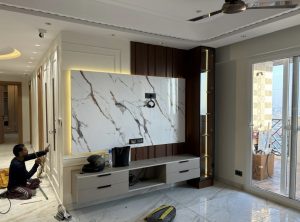
Living rooms are open. Kitchens flow into dining zones. Walls often carry false panels or floating storage. These designs need material that adapts to curves, slots and joinery cuts. Modern plywood sheet options allow that shaping without splintering.
Designers can carve long grooves. They can add slot lighting or rounded corners. Because plywood sheets hold their core shape, the designs stay safe during and after work.
Low Maintenance Helps Families:
Once a room is ready, people want it to stay that way. Nobody wants to polish corners every week. Plywood sheets make that possible. The outer layers do not gather dust easily. Most stains can be cleaned with a dry cloth.
Families with children or pets find this very useful. Accidents do not damage the surface. Chairs dragged across study units do not leave marks. That means a longer life without high upkeep costs.
Five Everyday Uses of Modern Plywood Sheets:
• Kitchen storage units with moisture barriers.
• Bedroom wardrobes with stable sliding channels.
• Wall panels that allow hidden lighting fixtures.
• Study tables and bookshelves for daily use.
• Bathroom vanities with water-safe core layers.
Eco-Mindful Choices for Future Homes:
Beyond function, there is a growing need to use materials that reduce damage to nature. Plywood sheets are built using layered core methods. This method allows for better wood use with less waste. Modern factories now source timber responsibly.
There is also better control over emissions during the bonding stage. This allows the sheets to be safer for long-term indoor use. For new homeowners, that gives peace of mind. The home does not only look better. It feels better and lives better.
Conclusion:
When a designer chooses the right base, the rest of the room follows. From the shape of a cabinet to the strength of a wall unit, the base matters. Plywood sheets do more than carry the polish on top. They carry the structure that keeps a home safe and functional. That is why modern homes today depend on plywood sheets as much as on tiles and paint. CenturyPly has continued to support this shift by offering plywood sheets that match both performance and design needs. When the base is right, the finish stays right for years.