How Water Tanks Perform During Extreme Indian Summers
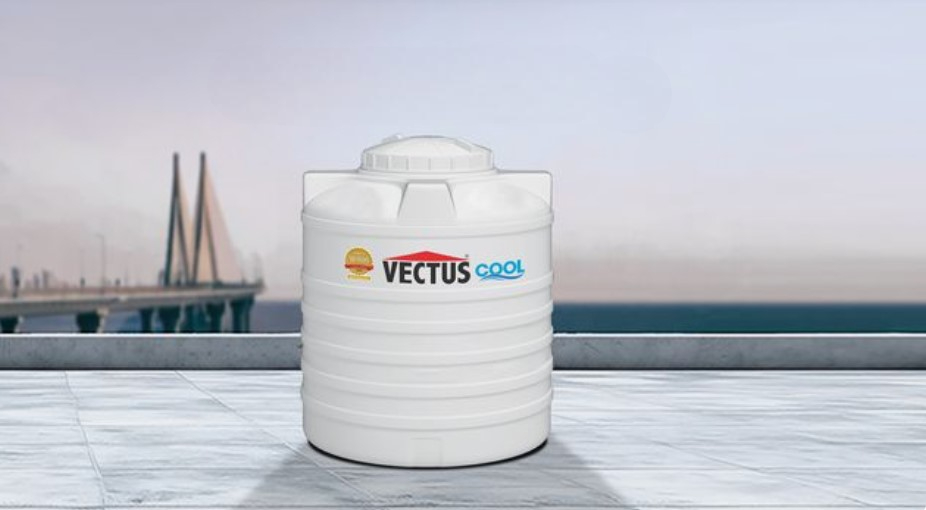
During the extremely hot summer months in India, with heat levels consistently above 40 degrees Celsius in many regions, the need for a dependable water supply becomes even greater than usual. When thinking about water solutions for the hot summer months we typically think about having enough storage capacity; however, having a storage system that performs well under these conditions is just as critical. The combination of the intense heat (high ambient air temperature) combined with a large amount of direct sunlight on the tank and varying levels of water demand will all dictate how well a given tank performs as a storage solution.
By understanding how water storage tanks operate under very hot summer conditions, individual homeowners, companies, and institutions will have an improved understanding of their options for both water storage and management.
The Issue of Hot Summer Weather
Extreme summer weather (heat) can be challenging for a water storage system. Storing a large volume of water under sunny conditions can lead to the water level increasing, which results in lower water quality in a residential setting. Specifically, the condition of the water will be adversely affected in a low-quality storage water tank. Cracking, faded surface or reduced lifespan for example.
In areas with an intermittent water supply, the water will stay in the tank for long periods of time. Therefore, it becomes very important to protect the quality of the water in that tank. The summer heat and sun can provide conditions for the bacteria to grow if a water tank is not properly maintained.
That is why it is important to consider how durable and well made water tank would be, as high-quality tanks are important in regions with extreme heat during summer months.
The Impact of Material in a Storage System
The type and quality of material in the water storage system can greatly affect the performance of it during hot summer months. Today’s plastic storage system is designed to hold up to heat, but still be very strong.
Advances in manufacturing techniques today produce storage tanks able to resist UV damage from the sun’s continuous rays. Having a UV-resistant product will help you maintain the structural integrity of your tank and the quality of your stored water.
Using food-grade materials to store water helps to keep the water safe for daily use. Materials of higher quality lessen the chances of contamination and give long-term durability to your tank even in extreme weather.
Temperature Control and Insulation
During hot summer months, having warm water for our daily tasks is something no one wants.
To combat this problem, many tanks now have a layered construction, which works as thermal insulation against heat loss from outside sources. The layers on the outside of the tank help reduce the amount of heat entering the tank, while the inner layer(s) provides a stable temperature for built-in water.
This design provides both comfort for the user and protects the quality of the water. Proper insulation can reduce dramatically the effect of extreme temperatures on the water being stored.
Protection Against UV Light
In addition to heat, regular use of a standard water storage system may lead to deterioration of the system over time due to the exposure of UV rays from direct sunlight. The UV rays of the sun may cause the outer layer to break down and become discolored and brittle, which can lead to cracks.
To complicate matters further, although high-quality materials may have an inherent resistance to UV damage, most manufacturers of above-ground tanks will use UV stabilization technology in their manufacturing process. Tanks with this added protection can be stored outdoors for long periods of time without losing their strength or performance.
Keeping Your Water Clean This Summer
The high summer sun can have an adverse effect not only on your water tank and how it works, but also the quality of your water supply. As temperatures rise during the summer months, so too does the possibility for algae, bacteria, and other organisms to multiply in your storage system if it has not been designed properly.
Modern storage tanks come with features like:
- – Opaque walls that stop sunlight entering the tank,
- – Secured lids that deter access by contaminants,
- – Smooth internal surfaces that are easier to clean,
- – A multi-layer construction that helps regulate temperature within the tank.
All of these features can help to keep your water hygienic and free of contaminants throughout the summer.
Routine cleaning and servicing of your tank will also improve its efficiency and provide good quality drinking water for your family.
Tank Structure Damage Caused By Summer Heat
The summer heat can place a lot of stress on your storage tank. The materials used to create your tank will expand and contract based on the temperature changes (day and night). With time, if your tank is made from low quality materials, it is likely to develop cracks and leaks.
A high-quality water storage tank should be built to resist these thermal variations and still maintain its structural soundness. Tanks that are well-constructed with quality materials will last for many years, even if they are subjected to harsh weather conditions.
This durability will be even more critical for tanks that are installed on roofs and in direct sunlight during the day.
Rising Water Demand
The warmer weather of summer increases the amount of water used by households for drinking and cleaning, taking showers, gardening, and cooling the home. This increased water use puts a strain on current water storage capacity.
Water storage capacity needs to be adequate to provide a provider with enough room to meet consumption demands from residents, while they are impacted by the inconsistency of the municipal water systems in which they rely on.
Adequate storage capacity provides a buffer between supply shortages during periods of high consumption and allows households to conserve water over the peak summer months.
Water Storage Technologies
Today’s water storage products have become more advanced than ever before due to the extraordinary technological advances in manufacturing technology and processes. A reputable manufacturer of water storage tanks will continue to develop innovative materials and manufacturing techniques to help provide strong, insulated, hygienic, and durable storage products.
By using multiple layers of protective materials and UV resistant materials, combining industrial-grade and food-grade materials with precise manufacturing methods will all play a role in allowing water storage tanks to withstand extreme weather conditions while delivering consistent performance.
When a consumer chooses to invest in water storage products that are manufactured with advanced manufacturing processes and the most innovative materials will offer lower maintenance and longer service life.
While reviewing your options for the selection of water storage systems used in regions with severe summer climates, you’ll need to keep in mind the following considerations:
- -Water tank’s ultraviolet (UV) resistance
- -Multi-layered construction
- -Sufficiently sized water tanks
- -Structural integrity
- -Ease of maintenance
An experienced water tank manufacturer will have products specifically built to withstand the severe Indian climate and provide safe and reliable water delivery.
Conclusion
Extreme summer conditions in parts of India pose serious challenges to the long-term performance of water storage systems. Due to high ambient air temperature, intense levels of solar exposure, and increased water usage, you will need to place additional emphasis on the long-term performance of any water storage systems that you plan to use during these months. Properly designed water tanks help maintain water quality and ensure a reliable water supply even during extreme summer conditions. Using modern water storage systems specifically developed for the Indian climate will allow homeowners to have confidence that they will have continued access to water even during the hottest months of the year.