The New Statement Piece: How Rugs Became the Couture of Modern Interiors
Takeaways:
- Rugs are versatile, impactful, and transitional, which are all essential elements of cohesive interior design.
- When decorating your space, there are many things to consider for your rug, including texture, color, weaving techniques, and cultural impact.
- The rise of rugs in interior design stems from their ability to frame a space, center the focal point, and provide a sense of balance.
- Use a rug in your interior design to create a sense of comfort while exploring your own personal aesthetics.
Rugs Explore Form & Function
Rugs have been an essential home textile for centuries. Whether you’re thinking of wall tapestries in European castles or floor rugs in nomadic desert tents, nearly every culture has used (and continues to use) rugs for their warmth, practicality, and beauty.
But how has this practicality-focused design evolved into the modern statement piece? As thoughtful living takes center stage, people are approaching interior design from a conscious perspective, integrating sustainability, culture, and preservation into their decor. Learn more about how modern rugs are the new statement piece in this overview.
Rugs As Decoration
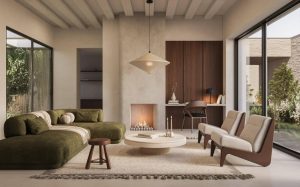
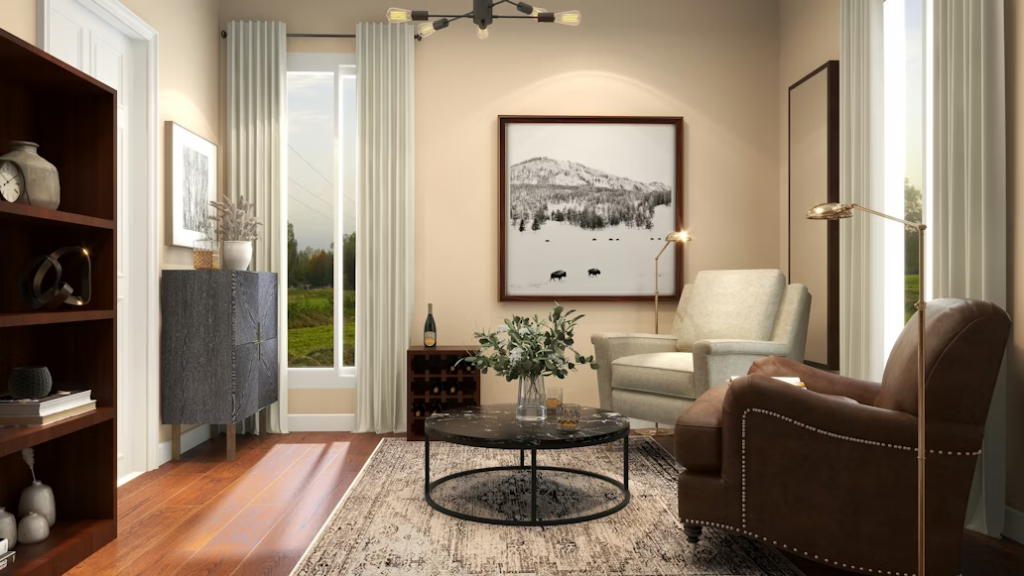
Rugs are a natural focal point in any space. Once you set a rug on the floor, you build all the other design elements around it. The texture, color, size, and shape of the rug start to dictate your space. If you’re striving for a modern, minimalist aesthetic, the rug you choose is likely a low-pile piece woven in a rectangle featuring pale neutrals. Are you curating a boho or eclectic space? The rug that catches your eye is probably thicker and prioritizes more vibrant colors, like orange or green, that you tie back to other bright colors in your couch and design accents.
Rugs can act as a centerpiece to your space, but they can also lead you to other areas of the environment. You can place a rug in a hallway to make the transition between rooms feel more organic, or add a rug to your entryway to make your home more inviting.
Rugs As History
A rug’s look and feel are no longer the most important elements of this home decor essential. Today, people are interested in a rug’s provenance, authenticity, artistry, and the emotions it evokes when viewed. In addition to the physical layers you add to your home, a rug brings in historical and cultural interest. Your rug’s talking points are now about more than just aesthetics; they’re an exploration of weaving traditions that go back generations.
Some of the most popular rugs that navigate cultural identity and emotions in home design include Oriental pieces such as Turkish Khotan rugs, Chinese Art Deco rugs, and Persian rugs. The deeply meaningful symbols, unique design elements, and bright colors draw people into the piece, helping you make a bold statement. Other historically significant rugs that remain popular today include European tapestries and Aubusson pieces. These often focus on pastoral scenes in soothing hues that look amazing as wall decor while transforming your space into a place for museum-worthy discussions.
Rugs As Comfort
First and foremost, rugs were designed to provide warmth and comfort in cold spaces. Adorning castle walls, they kept the chill of cold stone away from those living within. Layered underfoot in cottages, they created a soft barrier that made walking around barefoot a pleasure.
While the modern world has come a long way from bare dirt floors and lack of insulation, many people still crave the cozy atmosphere rugs can create. Exploring plush carpeting with a deeper pile, or layering thinner rugs over one another, allows people to incorporate this functional element of decorative rugs into their space while still exploring visually stimulating elements of interior design.
The Old Versus the New
While antique and vintage rugs are highly prized for their historical and cultural addition to home decor, modern rugs have their own benefits. Many people prefer modern rugs for their advancements in fabric innovation and sustainability, including the use of recycled materials, as well as a return to organic fibers. For those who can’t afford a true antique rug, modern creations from many of the same weaving traditions exist! Using modern technology and traditional techniques can ensure accessibility while preserving rug longevity and important cultural elements.
Statement Pieces for Modern Interiors
In the end, rugs offer a unique way to blend interior design preferences with functionality that expresses cultural sentiments, modern traditions, and personal aesthetics. There is a narrative woven into every piece yearning to be shared. Make a statement with your next home upgrade by choosing a rug that perfectly meets your physical needs while exploring art, creativity, and self-expression.