Why Granite Countertops Never Go Out of Style
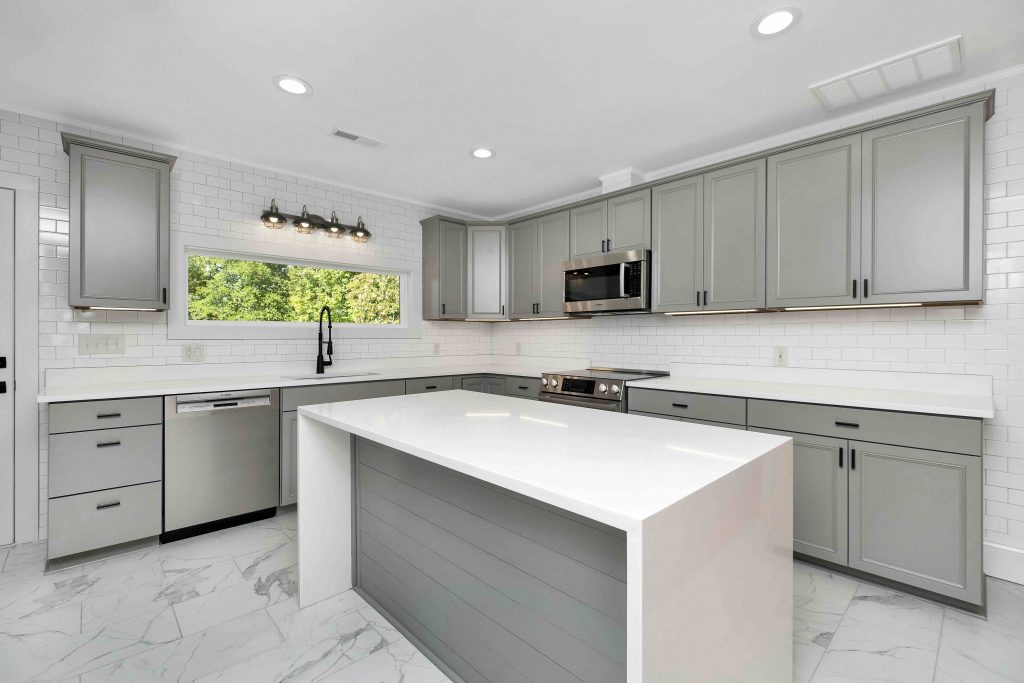
Kitchen trends come and go fast. Colors that looked fresh five years ago now look dated. Cabinet styles change. Hardware changes. But granite countertops have stayed popular for decades, and they’re still one of the most requested surfaces in both kitchens and bathrooms. There’s a reason for that. Granite is natural stone. Every slab is different, with its own colors, veins, and patterns. It’s strong, it handles heat well, and it can last as long as the house with basic care. It also works with almost any design style, from farmhouse to modern. Newer materials like quartz and porcelain have gained ground, but granite hasn’t disappeared. If anything, the move toward natural materials has given it new life.
This article explains why granite countertops keep their appeal, how today’s finishes and designs are keeping them current, what they cost, and how to care for them so they last for years.
A Material Made by Nature
Granite forms deep underground when melted rock cools slowly over millions of years. It’s made mostly of quartz, feldspar, and mica. Those minerals create the specks, swirls, and color shifts you see in each slab.
That natural origin is a big part of its appeal. People like having something real in their homes. Granite isn’t made in a factory or printed with a pattern. It’s pulled from quarries around the world, cut into slabs, and polished.
And natural materials rarely look dated. Wood, stone, and leather have been used in homes for centuries. Granite fits right into that group.
No Two Slabs Look the Same
Every granite slab is one of a kind. Even slabs from the same quarry can look very different.
Colors range widely:
- Whites and creams with soft gray veins
- Deep blacks, sometimes with flecks that catch light
- Warm browns, golds, and tans
- Blues and greens in more rare stones
- Bold reds and multicolored patterns
This means your countertop won’t look exactly like anyone else’s. For many homeowners, that uniqueness is the main reason they choose granite.
Built for Real Kitchen Use
Kitchens take a beating. Hot pans, knives, spills, and heavy pots are part of daily life. Granite handles most of it well.
Here’s how it holds up:
- Heat resistance. Granite can handle high heat better than most countertop materials. Using a trivet is still a good idea, but a brief contact with a hot pan usually won’t cause damage.
- Scratch resistance. Granite is harder than steel knife blades, so everyday scratches are rare. Cutting directly on it will dull your knives, though.
- Durability. Properly installed granite can last decades without cracking or wearing down.
- Stain resistance. Once sealed, granite resists most spills if you wipe them up in a reasonable time.
It’s not indestructible. A heavy object dropped on an edge can chip it. But chips can often be repaired.
It Works With Almost Any Style
Granite adapts to different design styles. That’s one reason it stays relevant as tastes change.
A few examples:
- Farmhouse kitchens: Honed or leathered granite in soft white or gray pairs well with wood and shaker cabinets.
- Modern kitchens: Solid black or dramatic veined granite with slim edges and flat-panel cabinets.
- Traditional kitchens: Warm browns and golds with detailed edge profiles and wood cabinetry.
- Transitional kitchens: Neutral granite that bridges classic and modern elements.
- Coastal kitchens: Light, airy stones with blue or gray tones.
When you update your cabinets, paint, or backsplash later, a neutral granite often still fits.
Finishes That Keep Granite Current
A big reason granite feels fresh today is the range of finishes now available. The shiny polished look isn’t the only choice anymore.
- Polished. The classic glossy finish. It brings out color and depth and is easy to clean.
- Honed. A smooth, matte finish. It feels softer and more modern. It shows fewer reflections but may show fingerprints and stains more easily.
- Leathered. A textured finish with a slight sheen. It hides smudges well and has a natural, earthy feel.
- Brushed. A worn, aged look that suits rustic or old-world designs.
The same stone can look very different depending on the finish. This lets designers use granite in ways that match current trends.
Design Trends for 2026
Granite is showing up in new ways this year. Some trends to know:
- Waterfall edges. The countertop continues down the side of an island to the floor. It shows off the stone’s pattern.
- Full-height backsplashes. Using the same slab for the counter and the wall behind it creates a clean, continuous look.
- Bold, statement slabs. More homeowners are choosing dramatic veining and rare colors instead of plain neutrals.
- Warm, earthy tones. Browns, creams, and golds are coming back as people move away from all-gray kitchens.
- Mixed materials. Granite on the island paired with wood or quartz on the perimeter counters.
- Larger islands. Oversized islands with a single slab of granite as the centerpiece.
Granite Compared to Other Materials
Granite has more competition than ever. Here’s how it compares:
- Quartz. Engineered from crushed stone and resin. It’s non-porous and needs no sealing. But it’s less heat resistant, and many patterns look similar from one kitchen to the next.
- Marble. Beautiful and classic but softer and more porous. It scratches, stains, and etches more easily.
- Porcelain slabs. Thin, strong, and heat resistant. Patterns are printed, not natural.
- Laminate. Much cheaper but less durable and lower in resale value.
- Butcher block. Warm and inviting but needs regular oiling and can be damaged by water and heat.
Granite sits in a good middle ground. It’s natural like marble but tougher. It handles heat better than quartz. And it holds its value.
It Adds Value to Your Home
Buyers still see granite as a sign of quality. In many markets, homes with stone countertops get more attention in listings and showings.
Kitchens are one of the first rooms buyers look at closely. Updating from laminate to granite is one of the more common kitchen upgrades people make before selling.
Even if you’re not planning to sell soon, choosing a material that stays in demand protects your investment.
What Granite Costs
Granite prices vary a lot. The final cost depends on several factors:
- Stone type. Common colors cost less. Rare or exotic slabs cost much more.
- Slab thickness. Thicker slabs cost more but look more substantial.
- Edge profile. Simple edges are cheaper. Detailed or custom edges add labor.
- Cutouts. Sinks, cooktops, and outlets all require extra cutting.
- Kitchen size and layout. More square footage and complex shapes cost more.
- Installation. Includes templating, fabrication, delivery, and setting.
Entry-level granite can be close in price to mid-range quartz. High-end granite can cost much more. Get a detailed quote that lists everything included.
Caring for Granite
Granite doesn’t need much maintenance, but a few habits keep it looking good:
- Seal it. Most granite needs sealing every one to three years. Some denser stones need it less often.
- Test the seal. Drop a little water on the surface. If it soaks in and darkens the stone within a few minutes, it’s time to reseal.
- Clean with mild soap and water. A soft cloth and dish soap work fine.
- Avoid harsh cleaners. Bleach, vinegar, and acidic cleaners can wear down the sealer over time.
- Wipe spills quickly. Especially oil, wine, and coffee.
- Use cutting boards and trivets. They protect both your counters and your tools.
Common Myths About Granite
A few myths still come up:
- “Granite holds bacteria.” Sealed granite is safe for food prep. Regular cleaning keeps it sanitary.
- “Granite is high maintenance.” Sealing every year or two and basic cleaning is all most slabs need.
- “Granite is outdated.” Polished speckled brown granite from the early 2000s may feel dated to some, but granite as a material isn’t. New colors and finishes keep it current.
- “All granite is the same.” Quality, density, and look vary widely from slab to slab.
How to Pick the Right Slab
Always see the actual slab before it’s cut. Photos and small samples don’t show the full pattern.
A few tips:
- Visit a stone yard or showroom in person
- Look at slabs in natural light if you can
- Bring cabinet and flooring samples to compare
- Ask where the veining and seams will fall in your layout
- Check for cracks, pits, or weak spots
Homeowners shopping for granite countertops Cookeville suppliers carry often find a wide range of colors in stock, which makes it easier to compare options side by side.
Why the Installer Matters
Even the best slab won’t look good if it’s installed poorly. Bad seams, uneven surfaces, and weak support can ruin the result.
Look for a fabricator who:
- Measures and templates your space accurately
- Shows you where seams will go before cutting
- Uses proper support for overhangs and islands
- Offers a warranty on installation
- Has good reviews and photos of past jobs
If you’re comparing countertops Crossville TN companies offer, ask about their timeline from template to installation and what happens if something needs adjusting afterward.
Final Thoughts
Granite has stayed popular because it offers what people want in a countertop. It’s natural, strong, heat resistant, and unique. It works with almost any style, and new finishes keep it looking current. With basic care, it can last as long as your home. Trends will keep changing, but granite has proven it can change with them.