Virtual Staging: How Smart Sellers Win Buyer Attention Online
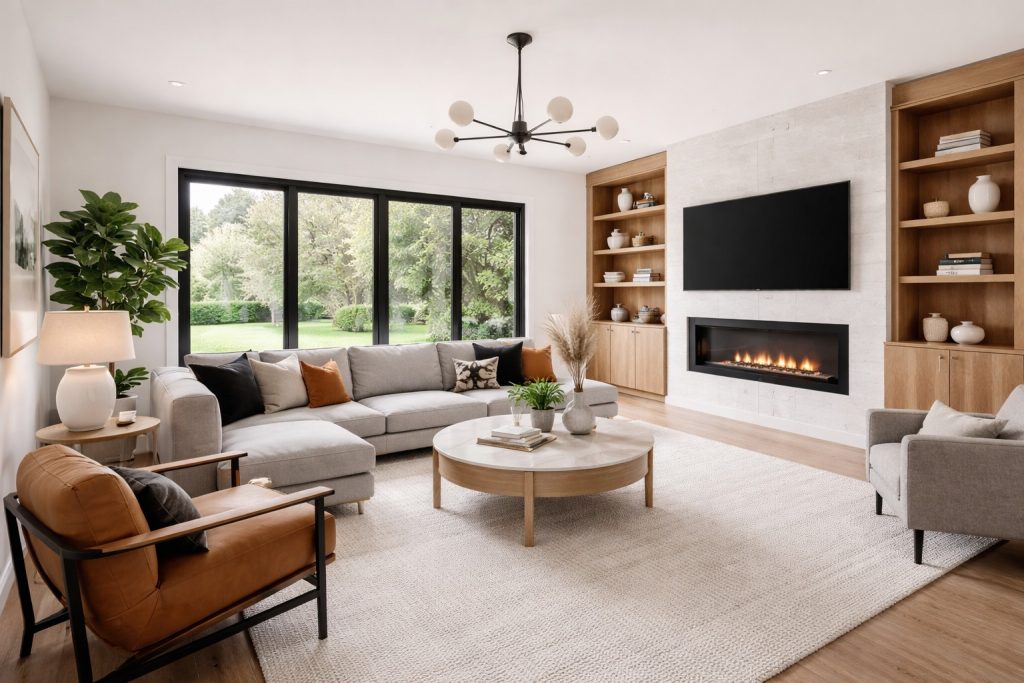
Most buyers don’t fall in love with a house in person anymore.
They fall in love on their phone.
A listing gets three seconds. Maybe less. If the rooms look empty, flat, or confusing, buyers scroll past. That’s exactly why virtual staging has become a must-have tool in modern real estate marketing.
I’ve seen strong properties sit for months just because buyers couldn’t picture the space. Same homes, same price, new photos. Suddenly they move. Not magic. Just better presentation.
Let’s talk about how it actually works.
What Virtual Staging Means (Without the Marketing Noise)
Virtual staging is the digital process of adding furniture, décor, and layout elements to empty room photos. Nothing physical is moved. No trucks. No storage. No scratched floors.
Designers use advanced tools or virtual staging ai to create realistic interiors that feel lived-in, but not staged to death.
The goal isn’t decoration. It’s clarity. Buyers need help understanding scale, flow, and purpose.
Why Empty Rooms Don’t Sell Well
Empty spaces look bigger, yes. But they also feel cold.
Buyers struggle with questions like:
- Will my couch fit here?
- Where does the bed go?
- Is this room awkward or just unfinished?
Virtual home staging answers those questions visually. It removes doubt. And doubt is what slows decisions.
How Virtual Staging Works in Real Life
It starts with professional photos. Lighting and angles matter more than people think.
A designer then adds furniture digitally, scaled to the room’s dimensions. Sofas cast shadows. Rugs sit naturally. Nothing floats.
Modern virtual staging software allows precise control over style, color, and layout. Contemporary. Traditional. Minimal. Whatever fits the buyer profile.
The final images feel natural. That’s the whole point.
Virtual Staging vs Physical Staging
Traditional staging is expensive. Delivery fees. Rental costs. Setup time.
Virtual staging costs less and moves faster. Changes can be made overnight. Want to test two styles? Easy.
For listings with tight timelines or limited budgets,virtual staging for real estate is often the smarter choice.
Physical staging still has value. But online? Virtual usually wins.
The Role of AI in Virtual Staging Today
AI didn’t replace designers. It helped them work smarter.
With ai virtual staging, layouts can be generated faster, lighting matched more accurately, and furniture scaled perfectly. It reduces trial and error.
Still, human judgment matters. AI suggests. Designers decide.
That balance is what creates believable results.
Who Benefits Most From Virtual Staging?
Real estate agents use virtual staging real estate solutions to boost listing engagement.
Developers use it to pre-sell units that don’t exist yet.
Homeowners use virtual house staging to show renovation potential.
If your buyer shops online first, virtual staging helps speak their language.
A Short Story From the Market
An agent once showed me a downtown apartment that wouldn’t sell.
Open floor plan. Empty. Echoey.
We staged it virtually. Added zones. Sofa here. Dining table there. Suddenly the layout made sense.
Views tripled. Showings followed. The apartment sold without a price cut.
Same property. Different perception.
SEO and Marketing Advantages
Listings with staged images get more clicks. That’s a fact agents notice quickly.
More clicks lead to better platform visibility. Better visibility brings more buyers.
Virtual staging also supports brand consistency. Same style. Same quality. Across listings.
Quiet advantage. Real impact.
Best Practices for Using Virtual Staging
Always disclose virtual staging. Transparency builds trust.
Match furniture style to the target buyer. Not your personal taste.
Don’t overcrowd rooms. Space still matters.
And never use low-quality photos. Virtual staging can’t fix bad photography.
Final Thoughts
Virtual staging isn’t a shortcut. It’s a communication tool.
It helps buyers understand space, imagine living there, and feel confident enough to act.
Used correctly, it saves time, reduces friction, and improves results. That’s why it’s no longer optional in competitive markets.
Homes sell on screens first.
Virtual staging makes those screens work harder.
FAQs
1. Is virtual staging ethical in real estate?
Yes, as long as it’s clearly disclosed and doesn’t misrepresent the property structure.
2. Can furniture be changed after staging?
Absolutely. Layouts and styles can be adjusted easily.
3. Does virtual staging work for small homes?
Often even better. It helps define space clearly.
4. Will buyers feel misled at showings?
Usually no. Most understand staging shows potential, not included furniture.
5. How long does virtual staging take?
Anywhere from 24 to 72 hours, depending on complexity.