10 Stunning Ideas for Personalized Wood Home Pieces
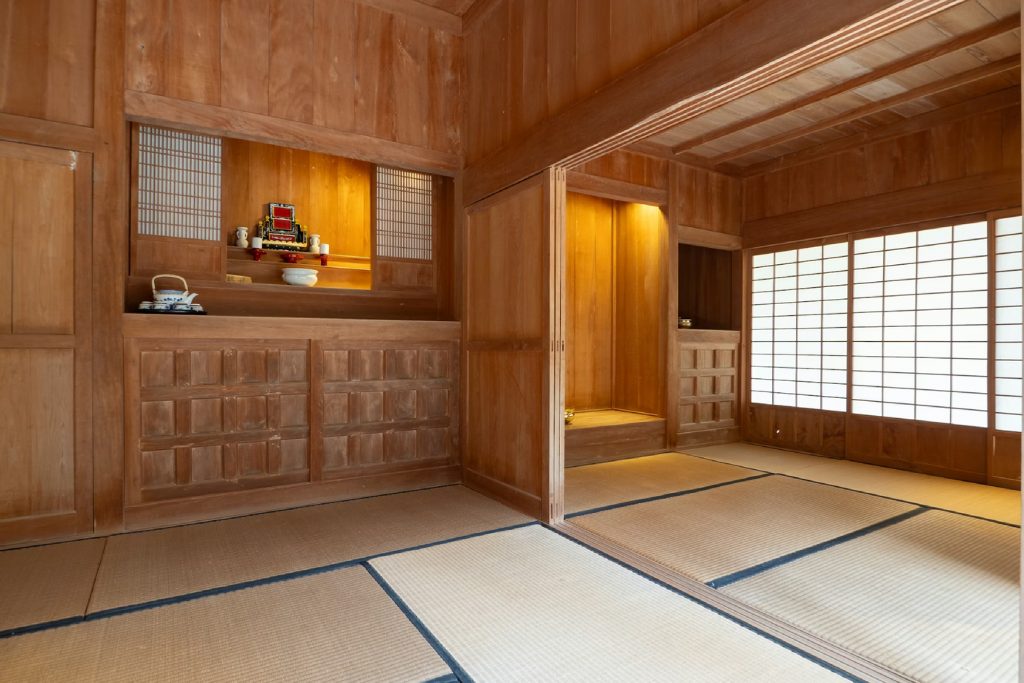
Furnishing a home rarely happens in a single moment. It unfolds slowly, piece by piece, often shaped by mood, necessity, and instinct. Wooden furnishings tend to hold a special place in that process because they don’t feel temporary. They settle into daily life and quietly gather meaning over time. When homeowners begin exploring distinctive options that reflect personal taste rather than catalog templates, they often drift toward classic custom made furniture for inspiration — not as a status statement, but as a way to bring familiarity and authenticity into their surroundings. Personalization in wood isn’t about excess; it’s about subtle alignment between object and lifestyle.
The following ideas aren’t strict design rules. Think of them more as starting points for ways people have adapted wooden elements to suit their own living spaces.
1. Dining Tables That Become the Center of Daily Life
Dining tables often carry more responsibility than expected. They host meals, unfinished work, casual conversations, and occasional clutter. Adjusting dimensions or selecting a particular timber grain can shift how comfortably a table performs these roles. Some prefer visible knots and texture because they remind them of the material’s origin, while others lean toward polished uniformity.
Edges, thickness, and stain tone all influence perception. A slightly rounded edge softens interaction, while sharper lines suggest formality. The right balance tends to emerge when practical needs guide visual choices.
2. Shelving That Adapts Instead of Conforming
Walls are rarely as cooperative as furniture catalogs assume. Corners lean, ceilings vary, and alcoves interrupt symmetry. Wooden shelving shaped specifically for these quirks eliminates awkward gaps. It allows books, decor, or tools to exist naturally within the space rather than forcing compromise.
Over time, shelving designed this way begins to feel architectural rather than added. It integrates quietly, supporting daily organization without drawing unnecessary attention.
3. Bed Frames With Subtle Functional Adjustments
Bedrooms benefit from calm consistency. A wooden frame tailored to mattress height preferences or integrated storage needs can improve routine without altering atmosphere. Texture choices also matter — matte finishes invite softness, while higher polish introduces formality.
These are not dramatic transformations. Yet waking and resting around furniture aligned with personal comfort creates small psychological ease that accumulates.
4. Coffee Tables That Reflect Personality
Living areas encourage expression, and coffee tables provide opportunity for individuality without dominating visual flow. Some households embrace contrast through darker stains or sculpted bases, while others maintain neutrality that allows surrounding furnishings to lead.
Adding compartments or lift mechanisms can enhance practicality. These adjustments often feel minor initially but reveal their usefulness through everyday interaction.
5. Entryway Consoles That Welcome Without Clutter
First impressions inside a home often come from transitional spaces. A wooden console built with awareness of available width or storage needs prevents unnecessary congestion. Hooks for bags, drawers for small essentials, or open surfaces for temporary placement all shift entry experiences from chaotic to comfortable.
The value of thoughtful placement becomes evident not through appearance but through smoother routine.
6. Work Desks That Mirror Habit
Work environments expose patterns of behavior. Some require expansive surfaces; others depend on compartmentalization. Desk height, material warmth, and structural stability influence concentration more than decoration.
Around this stage of planning, many individuals revisit inspiration sources and again explore classic custom made furniture options because convenience alone doesn’t guarantee compatibility with workflow. Furniture that acknowledges personal rhythm tends to encourage focus naturally.
7. Window Seating That Encourages Stillness
Unused window zones sometimes hold untapped potential. Wooden seating structures fitted beneath frames introduce pause into architecture. Cushion depth, storage beneath seating, and timber tone selection transform overlooked corners into lived-in retreats.
Such additions rarely demand admiration, yet their presence alters atmosphere subtly — offering invitation rather than instruction.
8. Cabinets That Balance Order and Character
Cabinetry decisions affect both storage logic and visual continuity. Door style, internal spacing, and handle material can be guided by habit rather than imitation. Wood surfaces permit cohesion across rooms while allowing variation that prevents monotony.
Achieving harmony without strict repetition often feels more authentic than forcing uniform design language.
9. Wall Accents That Introduce Texture
Wooden panels or slatted installations modify perception through rhythm and depth. Orientation, spacing, and stain differences influence how light interacts with surfaces. These features seldom dominate rooms; instead, they shape ambiance indirectly.
Choosing restraint here often proves more enduring than boldness pursued without context.
10. Storage Benches That Blend Utility and Presence
Multi-functional furniture frequently becomes indispensable over time. Wooden benches combining seating and hidden storage adapt easily to hallways, bedrooms, or communal areas. Adjusting lid weight, proportions, or tone ensures they align with surrounding pieces.
Their quiet usefulness tends to reveal itself gradually, reinforcing their permanence.
Closing Reflection
Personalizing wooden furnishings rarely revolves around spectacle. It grows from observation — noticing routines, acknowledging spatial constraints, and trusting preferences developed through experience. Thoughtful choices create environments that feel settled rather than staged.
Wood’s appeal lies partly in its patience. It doesn’t insist on immediate admiration; it evolves alongside those who use it. When furniture reflects real habits instead of abstract ideals, the result isn’t dramatic transformation but quiet continuity — an atmosphere shaped by attention rather than imitation