The Ultimate Guide to Luxury Kitchen Cabinets
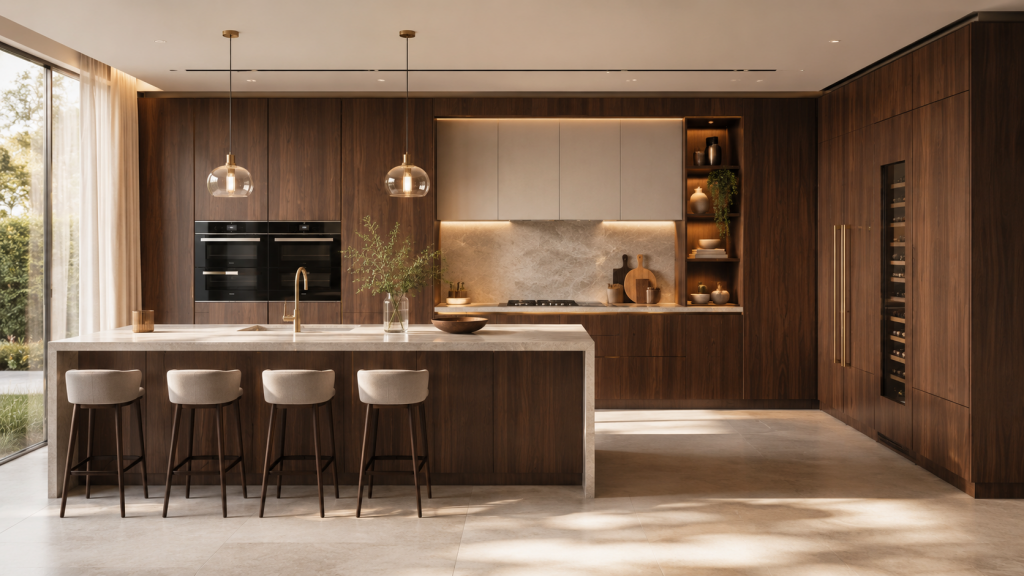
Step into a kitchen that has been properly thought through and you notice something straight away. It just works. Nothing feels like an afterthought. That quality almost always traces back to the cabinetry, which is what sets the tone for everything else in the room.
This guide covers what goes into planning luxury kitchen cabinets, from the types of storage you need to materials, hardware, and layout. Whether you are building from scratch or finally tackling a long-overdue renovation, these are the decisions worth getting right.
Cabinets Do More Than Store Things
Cabinetry occupies more wall space than anything else in a kitchen. It frames the appliances, anchors the benchtops, and carries most of the visual weight in the room. Get it right and the whole kitchen feels intentional. Get it wrong and even expensive finishes cannot compensate.
Off-the-shelf cabinets come in set sizes with a limited finish range. They are functional but rarely fit a real space perfectly. Kitchen cabinetry is designed around the actual dimensions of a home, the ceiling height, the appliances being used, and the specific storage needs of the people in it. That difference shows.
There is also a practical case for investing in quality. A well-built kitchen holds up for decades. It adds real value to a property and makes daily life noticeably easier, which is not something you can say about most home upgrades.
Getting the Cabinet Types Right
Most kitchens use a combination of cabinet types. Each one plays a different role and they need to work as a system rather than a collection of individual boxes.
- Base cabinets go under the benchtop and carry most of the day-to-day storage load. Deep drawers work far better than standard cupboards for pots, pans, and cooking equipment because you can actually see what is in them.
- Wall cabinets sit above the benchtop and are ideal for glasses, cups, and pantry staples. Taking them all the way to the ceiling removes the awkward gap at the top and gives the kitchen a more finished, built-in look.
- Tall cabinets pull a lot of weight in a well-designed kitchen. They house ovens, integrated fridges, full pantry runs, and appliance storage. In open-plan homes where the kitchen is on display from the living area, tall cabinetry also creates the strong vertical structure that makes the whole space read as cohesive.
- Display cabinets bring warmth and personality. Glass fronts, internal lighting, or a section of open shelving can showcase glassware or ceramics without turning the kitchen into a display home.
- Open shelving adds character when used sparingly. A run or two among closed cabinets softens the space without creating the visual noise that comes from too much on display.
Materials Worth Knowing About
The material you choose affects how the kitchen looks on day one and how it holds up ten years in. These are the main options used in high-end cabinetry.
1. Solid timber is hard to beat for warmth. The grain variation means no two kitchens look exactly the same, which gives it a genuinely handcrafted quality. It works across classic, contemporary, and organic design directions.
2. Timber veneer gives you a similar look with better dimensional stability. It is a common choice in architectural kitchens where consistent grain and precise detailing matter.
3. Two-pack painted cabinetry produces a hard, smooth finish across a wide colour range. It is particularly suited to modern, Hamptons, and traditional styles where clean, uniform surfaces are part of the brief.
4. Premium laminate is more sophisticated than its reputation suggests. Quality laminates now replicate timber, stone, and textured surfaces convincingly while being easy to clean and highly durable in family kitchens.
Accents like smoked glass, fluted panels, brushed brass trims, and blackened steel add another layer of detail. Used with restraint they lift the overall design without overpowering it.
Hardware Is Not a Small Detail
People talk about handles and hinges as finishing touches, but they are more than that. Hardware affects how a kitchen feels to use every single day and whether the overall design reads as considered or generic.
Soft-close hinges and drawer runners belong in any quality kitchen. The difference in feel compared to standard hardware is immediate. On heavy pantry doors, deep drawers, and frequently used storage, good runners protect the cabinet over time and make the whole experience of using the kitchen quieter and smoother.
Handleless cabinetry suits sleek, minimal kitchens well. Push-to-open systems, recessed finger pulls, and shadow-line profiles all achieve a clean result. When handles are part of the design, they become a feature. Brushed brass, matte black, satin nickel, and antique bronze each read differently against different palettes. The key is keeping the handles, tapware, and appliance finishes consistent so the room feels deliberately put together.
Layout and Storage Planning
A kitchen that looks impressive but creates friction every time you use it has missed the point. Storage planning should start with honest thinking about how you actually cook, not how a showroom kitchen is laid out.
Plates and bowls near the dishwasher cut down on unnecessary steps when you are unpacking. Pots near the cooktop. Pantry items close to where you prep food. An integrated bin tucked under the benchtop. Pull-out pantries beside the fridge. These individual decisions seem minor but they add up to a kitchen that genuinely supports your routine rather than complicating it.
Internal cabinet lighting and under-benchtop lighting are worth including in the original design. They improve visibility in ways you notice daily and are considerably harder to add after the fact.
Making Sense of the Investment
Pricing for custom luxury cabinetry depends on kitchen size, the materials chosen, the complexity of the layout, and the internal storage fittings specified. A straightforward design in a single consistent finish costs less than a multi-zone kitchen with mixed materials, specialist storage, and integrated appliances throughout.
The more useful way to think about it is over the life of the kitchen. Quality cabinets do not need replacing every decade. They hold their finish, their function, and their appeal for a very long time. In a room used as often as a kitchen, that longevity matters.