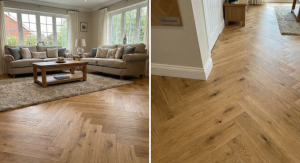
Is Herringbone Flooring the Secret to Chic Home Style?
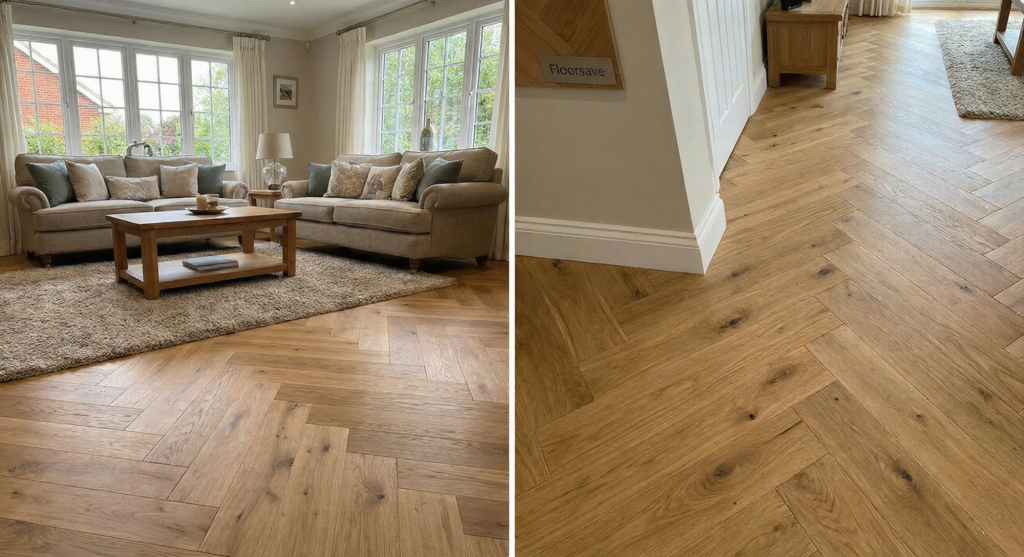
Some design choices quietly change a room. Others completely transform it. Flooring often falls into the second category. It sits beneath everything, yet it shapes how everything feels. Among all the layout styles available today, the herringbone pattern has a presence that is hard to ignore.
You will see it in restored Victorian terraces, contemporary apartments, and newly built family homes. Whether homeowners are exploring laminate flooring in the UK, buyers often choose practicality or invest in engineered flooring for long-term durability; the pattern continues to resurface for good reason. Even classic herringbone parquet flooring has made a confident return to modern interiors.
So why does this angled layout continue to capture attention generation after generation?
Where Did the Herringbone Pattern First Begin?
The story of herringbone did not begin in a design studio. It began with structure.
The Romans used a similar zigzag formation when building roads. The interlocking layout helped evenly distribute weight and prevent shifting. It was practical, stable, and strong. Over time, that same structural principle found its way indoors.
By the 16th century, French artisans were laying wooden blocks in elaborate patterns across grand estates. The distinctive V-shaped design became associated with craftsmanship and architectural refinement. Herringbone parquet flooring soon became a symbol of taste and status.
In Britain, the style flourished in period properties. Many older townhouses still feature original wood blocks arranged in this precise formation. What makes the pattern fascinating is that it has never truly disappeared. It simply evolves.
Today, different types of herringbone flooring offer greater stability than solid timber. Modern laminate flooring mimics the texture and grain of real wood remarkably well. The roots are historic, but the materials are firmly contemporary.
Why Does Herringbone Matter So Much in Interior Design?
Not all floor layouts change a room’s atmosphere. Herringbone does.
First, it introduces movement. Straight planks guide the eye in one direction. Herringbone creates rhythm. The repeated angles add depth and subtle energy, making a narrow hallway appear wider or a square room feel more dynamic.
Second, it balances tradition and modernity. In a minimalist space with clean lines, engineered herringbone flooring softens the look and prevents it from feeling flat. In a period property, traditional parquet flooring enhances original architectural details.
Durability plays a role as well. This flooring is designed to withstand temperature changes better than solid wood. That makes it suitable for homes with underfloor heating or varying humidity levels. Meanwhile, the modern laminate flooring suppliers in the UK are easier to clean and maintain, which suits family life.
In short, herringbone is not just about looks. It influences practicality, longevity, and how people experience a space every day.
What Herringbone Options Can Homeowners Choose From?
The good news is that achieving this look no longer requires limiting yourself to a single material. Today’s choices allow flexibility in budget, lifestyle, and aesthetic preference.
Engineered Oak
Engineered oak remains one of the most popular choices for herringbone layouts. It combines a real oak surface with a multi-layered core, offering strength and stability.
In lighter tones, engineered oak herringbone flooring can brighten living rooms and open-plan spaces. Slightly brushed finishes add texture, while matte coatings keep the look natural rather than glossy. It works beautifully in both classic and modern settings.
SPC Vinyl Click
For households where spills, pets, or heavy foot traffic are daily realities, SPC vinyl click offers reassurance. While it is not traditional herringbone parquet flooring, the finished result closely mirrors the visual effect.
The rigid core provides water resistance, making it suitable for kitchens and hallways. Installation is often quicker due to its click-lock system. Many buyers comparing laminate flooring options in the UK also consider SPC because it offers durability with minimal maintenance.
Laid in a herringbone pattern, it still achieves the same structured elegance.
Engineered Walnut
For those drawn to richer tones, engineered walnut creates a striking statement. The darker hues add depth and contrast, particularly in neutral interiors.
Engineered herringbone flooring in walnut can transform dining rooms or home offices into more intimate, refined spaces. It pairs well with metallic accents, textured fabrics, and warm lighting.
Like engineered oak, it benefits from layered construction, offering stability alongside natural wood character.
Is Choosing Herringbone a Smart Long-Term Decision?
Flooring is not something most people want to replace frequently. It needs to justify its cost through durability and style longevity. This parquet flooring, made from high-quality materials, can last for decades. Herringbone flooring offers a similar visual appeal while improving structural performance. For those working within a tighter budget, laminate flooring homeowners in the UK rely on offers a cost-effective route to the same aesthetic.
Installation does require precision. The angles must align perfectly to maintain symmetry. However, the finished result often becomes the defining feature of the room.
Design trends shift quickly. Yet herringbone continues to appear in new developments, renovation projects, and interior showcases. That consistency suggests more than a passing trend.
Conclusion
Some design decisions feel temporary. Others feel lasting. Herringbone belongs firmly in the second category.
Its origins in ancient construction, its presence in historic European homes, and its adaptation into engineered herringbone and laminate flooring in the UK market today demonstrate its versatility. Traditional herringbone parquet flooring still carries charm, while modern materials make the pattern more accessible than ever.
Ultimately, a floor does more than cover space. It frames daily life. It absorbs footsteps, reflects light, and anchors furniture. Choosing herringbone is not simply about following fashion. It is about introducing structure, elegance, and quiet confidence into your home.
For many homeowners, that subtle transformation is exactly what makes the difference.