How to Identify High-Quality Granite Countertops
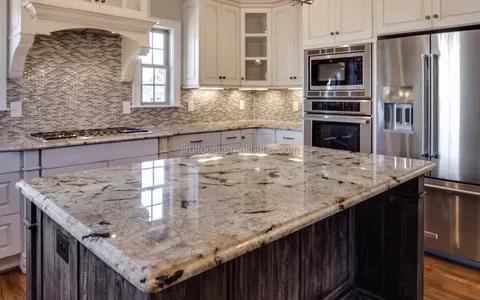
Granite countertops have long been revered for their beauty, durability, and timeless appeal. As one of the most popular choices for kitchen and bathroom surfaces, granite is prized for its unique veining, natural elegance, and long-lasting performance. However, not all granite countertops are created equal. With various grades and quality levels available, it’s essential to understand how to identify high-quality granite before making a purchase.
In this article, we will guide you through the key factors that define a high-quality granite countertop. Whether you’re renovating your kitchen or installing new countertops in a bathroom, this guide will help you make an informed decision and ensure that you select the best granite for your space.
Key Characteristics of High-Quality Granite Countertops
To help you identify high-quality granite countertops, it’s important to first understand the characteristics that define top-grade granite. These characteristics will not only ensure that your granite countertops are aesthetically pleasing, but they will also guarantee their longevity and durability.
1. Consistency in Color and Pattern
One of the most attractive features of granite is its unique, natural appearance. However, high quality granite should still exhibit a certain level of consistency in both color and pattern. While no two granite slabs are identical, premium granite should have a relatively uniform appearance with minimal large variations or significant color shifts across the surface.
What to Look For:
- Even coloring: High-quality granite should have consistent coloring that complements your kitchen or bathroom design. For example, if you select a granite slab with a white base, ensure that the white remains consistent throughout the surface, with the veining being evenly spread.
- Minimal large veins or gaps: Some variation in veining is natural, but high-quality granite will avoid excessively large veins or gaps that may compromise the appearance of the countertop.
- Tight, subtle veins: The best granite countertops tend to have tight, delicate veins that run throughout the surface. These veins should not be overwhelming but rather add subtle contrast and texture to the granite.
2. Smooth Surface and No Cracks
A high-quality granite countertop should have a smooth, polished surface with no visible cracks, chips, or pits. While granite is a naturally durable stone, low-quality slabs may contain visible defects, such as hairline cracks or pits, which can affect both the appearance and strength of the countertop. These imperfections are often a result of poor handling or low-grade stone.
What to Look For:
- No visible cracks: A top-quality granite slab should be free from cracks, chips, or other structural imperfections that could weaken the stone or lead to future damage.
- Flawless surface: Run your hands over the surface of the granite to check for rough spots or unevenness. High-quality granite should feel smooth and polished to the touch, with no areas that feel gritty or uneven.
- Seamless finish: While granite countertops will always have seams where multiple slabs meet, high-quality granite will have seams that are expertly joined and nearly invisible. The seams should be aligned properly and filled with a matching adhesive for a seamless look.
3. Thickness and Weight
Granite countertops are typically available in two standard thicknesses: 2 cm and 3 cm. While both thicknesses can provide strength and durability, the weight of the granite is an important factor in assessing its quality. A high-quality granite countertop will be dense, heavy, and solid, making it more durable and resistant to damage over time.
What to Look For:
- Thicker slabs for higher quality: High-quality granite is often thicker, with 3 cm being the standard for premium countertops. Thicker slabs are more resistant to impact, heat, and daily wear and tear.
- Consistent density: When shopping for granite, make sure that the slabs are dense and do not feel lightweight or porous. Lighter granite slabs may be of lower quality, potentially leading to cracks or chipping over time.
4. High-Polish Finish
Granite countertops are available in various finishes, such as polished, honed, and leathered. However, a high-quality granite countertop typically features a smooth, high-polish finish that brings out the full depth and beauty of the stone. A polished granite surface should have a glass-like shine, reflecting light and enhancing the color and veining of the stone.
What to Look For:
- Mirror-like shine: A premium granite countertop will have a consistent, polished finish that gives it a glossy, smooth appearance. If the countertop has a dull or uneven finish, it may indicate poor-quality granite.
- No cloudy spots or discoloration: A high-quality polish will ensure that the granite reflects light evenly across the surface. Cloudy spots or discoloration can be a sign of low-quality granite or poor polishing.
- Even finish: The polish should be even across the entire countertop, without areas that are dull or unevenly finished.
5. Origin of the Granite
Granite countertops come from quarries located around the world, with different regions producing distinct types of granite. While the quality of granite is not solely determined by its origin, high-quality granite is often sourced from reputable quarries known for their superior stone. The best kitchen countertop stores help you find stylish and durable kitchen surfaces. They offer many textures, colors, and budget options.
What to Look For:
- Reputable sources: Granite from well-known sources, such as Brazil, India, and Italy, is often considered to be of higher quality. However, this is not always the case, and other regions may also produce top-grade granite.
- Certified stone: Reputable stone suppliers typically offer certifications or information about the origin of the granite they sell. Asking for this information can help ensure that you’re buying quality stone from a reliable source.
6. Sealant and Protection
While granite is naturally resistant to stains and bacteria, it is still recommended that the surface be sealed after installation. High-quality granite countertops should come with proper sealing, ensuring that the stone is protected from moisture and stains. The sealant also helps enhance the stone’s appearance by bringing out its natural color and texture.
What to Look For:
- Professional sealing: Make sure that your granite countertop is professionally sealed before installation to ensure that it is properly protected from spills and stains.
- Easy to clean: A well-sealed granite countertop should be easy to clean and maintain. You should be able to wipe away spills without worrying about stains soaking into the surface.
7. Price Considerations
While price is not always an indicator of quality, extremely cheap granite slabs may be a red flag. High-quality granite is generally more expensive due to its superior durability, sourcing, and craftsmanship. When shopping for granite, it’s important to compare prices but not compromise on quality just to save money.
What to Look For:
- Reasonable pricing: High-quality granite will typically cost more than low-grade options. Be wary of extremely low-priced granite, as it may be of inferior quality, contain more defects, or come from unreliable sources.
- Value for money: While you don’t want to overpay for granite, ensure that the price reflects the material’s quality, thickness, and finish.
Conclusion
Granite countertops are a beautiful, durable, and timeless choice for any kitchen or bathroom. By understanding how to identify high-quality granite, you can make a more informed decision and choose the best material for your space. Look for consistent color and pattern, a smooth surface, thick and dense slabs, a high-polish finish, reputable sources, and proper sealing. While price is important, it’s essential to prioritize quality to ensure that your granite countertops stand the test of time and continue to enhance your home for years to come. With the right granite, you’ll not only get a countertop that’s functional and durable but also one that adds natural beauty and value to your home.