Why Door Selection Impacts Interior Harmony & Functionality
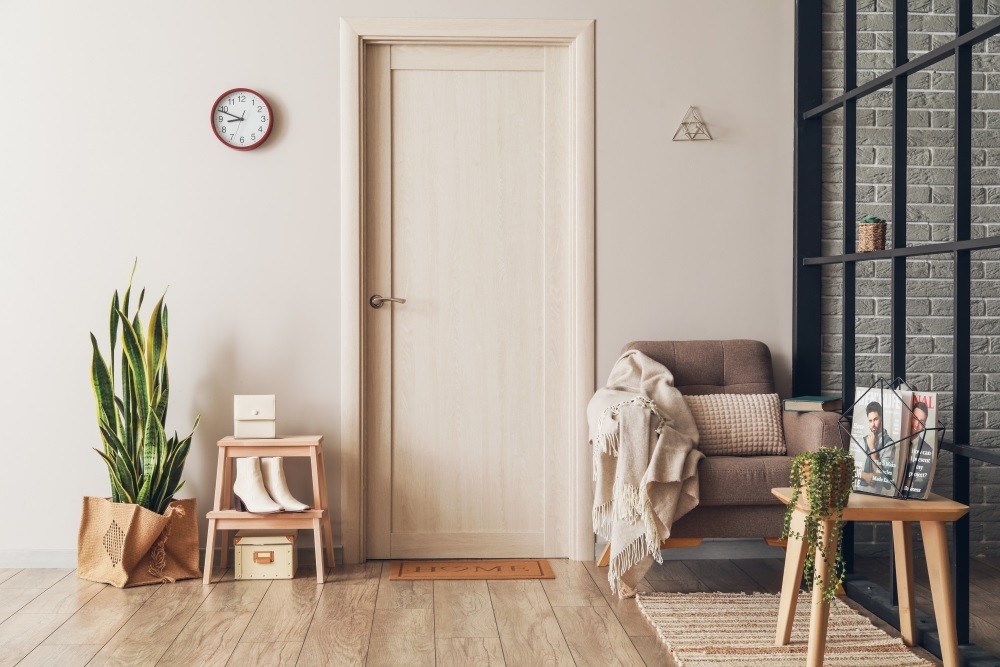
Most people notice colour and furniture first. But designers often begin with something quieter. They begin with doors. That is because doors connect spaces while controlling movement and light. When selected properly, doors improve both privacy and openness. If chosen poorly, they disrupt alignment and visual balance. Designers now treat doors for interior use as part of the design framework. Flush Doors are especially preferred for their sleek surface and stability. They combine structure with finish. That makes them suitable for both large homes and compact flats across cities.
Door finishes shape the first layer of space identity
The door is usually the first surface you touch before entering any space. That contact shapes your first impression. Flush Doors offer smooth finishes along with neutral shades. That allows designers to build themes without interruptions. Gloss, matte, woodgrain or plain textures can be selected depending on lighting. Doors for interior spaces that carry tone balance improve the flow across zones. When the tone clashes, the entire room looks forced. That is why door finishing is planned during the earliest design stages.
Function decides the right material weight and core
Bedrooms, kitchens and utility rooms all need different door behaviours. Bedroom doors need sound reduction. Kitchen doors need surface hygiene. Flush Doors come in various core types to serve these needs. Solid cores reduce sound transfer. Engineered cores improve surface durability. Doors for interior planning should never use one-size-fits-all logic. Designers study movement, hand pressure and frame response before confirming material. This prevents future warping or hinge failures. Good doors do not just look finished. They perform without calling attention to themselves.
Consistency in door design reduces visual clutter
In multi-room homes, mismatched doors cause visual breaks. Each break adds noise to the design. Designers avoid this by choosing matching formats. Flush Doors help keep that alignment strong. Their flat finish works across wardrobes, entryways and partition units. Doors for interior projects must flow like part of the wall. Not as separate objects fighting for attention. That keeps the eye comfortable and the mind relaxed. Visual consistency is a quiet skill. But it makes all the difference in compact or shared spaces.
Compact spaces need slim and quiet doors
When floor space is limited, every inch counts. Doors that swing too wide or stick out disrupt movement. Flush Doors solve this by offering slim profile construction. That gives more space to furniture placement or storage zones. Designers also prefer these for sliding or pocket installations. Doors for interior design must consider movement arcs, room width and user habits. Slim doors make a room feel more open without removing partition control. That is especially helpful in apartments or studio flats with multi-purpose rooms.
Surface material affects daily cleaning behaviour
Some doors attract dust or fingerprints faster than others. That becomes a daily maintenance issue. Flush Doors offer cleanable surfaces in matt, glossy or anti-smudge finishes. Designers select the finish based on room activity. Doors for interior spaces like kitchens or bathrooms require smoother surfaces. That way, regular cleaning does not damage the panel. Durable finishes also help retain colour without fading. This saves the issue of repainting or touch-ups annually. Surface texture is not everything about appearances. It directly affects the quality of life.
Sound control and privacy come from good sealing
A door is the first sound barrier between two rooms. If it leaks sound, the feeling of privacy is lost. Flush Doors can be paired with rubber beading or deeper frames to improve sealing. Interior privacy doors are to be tested on hinge fit and panel strength. Designers use these checks when they are conducting mock installations. This eradicates the issues of creaking or air leakage at the corners. Sound behaviour is also significant in work-at-home or shared apartment arrangements just like visual style.
Material weight should match wall strength
Heavy doors on weak frames cause long-term problems. They lead to sagging or cracks near the hinges. Designers avoid this mismatch by checking wall type first. Flush Doors are lighter than solid wood yet stronger than particle boards. That balance makes them suitable for most Indian homes. Doors for interior projects must never overpower the wall support. When the frame and door behave like one unit, the design becomes more stable. It also extends the life of the door fitting.
Five door selection rules followed by expert designers
- Door tone should always be in line with flooring and furniture palette.
- Flush Doors are used to enhance visual blending within the walls and doors.
- Select surface finish depending on cleaning requirements and daily contact.
- Before installation match door weight and wall support.
- Select less noisy hinge systems in small or shared rooms.
Final word
A door may seem like a background element. But it holds both design and functionality together. When it feels wrong, the entire room feels off balance. When selected right, it disappears quietly into the space. Flush Doors help support that seamless blend. Doors for interior spaces are no longer afterthoughts. They are part of the first planning draft. For homes that need quiet strength, visual flow and surface performance, CenturyPly offers engineered door solutions made to support every space without stealing attention.