Homeowners’ Guide to Choosing the Right Remodeling Contractor
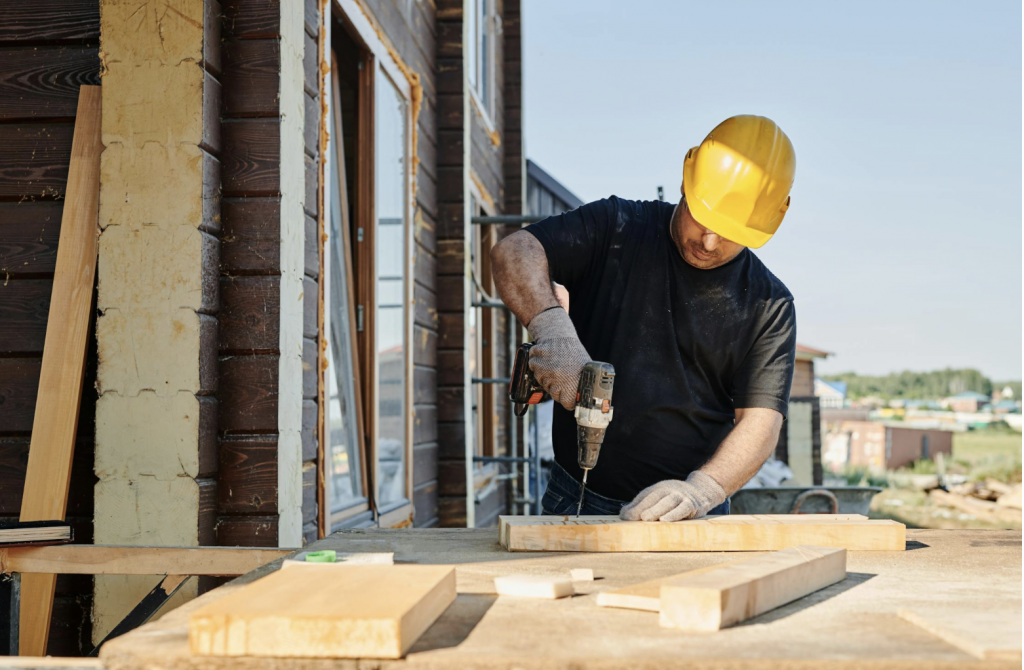
Remodeling a house lets you make it look better and run more smoothly, and can boost its value if you sell it later. People who remodel, however, often run into many frustrations. Most of these can be avoided by being careful in your selection of a contractor.
Start With Clarity
Begin by clarifying your goals before reaching out to contractors. What does a good result actually mean to you? Think about whether the changes are meant to improve daily life, like extra cabinet space or a smarter room setup. You should fix ongoing issues, such as leaks or work on electrical lines. Maybe it’s about preparing to sell, giving the kitchen a clean, modern look, or modernizing the bathrooms. Get clear on these points in particular:
- Scope. What areas of the house and property are included in your plans?
- Budget. Having a clear spending window lets builders suggest an approach that makes sense.
- Timing. Is there a strict cutoff, like a due date or a closing date, or are you flexible?
Create a Shortlist
Build a list of the most promising candidates.
Where to Look
- Recommendations. Start by asking around. People nearby who live in houses similar to yours might know someone reliable.
- Real estate agents can often point you toward solid options.
- Stores that sell building supplies, cabinets, or furnishings may also have names.
- Local directories, both print and online. Keep in mind, though, that sometimes people pay to be listed.
Interviewing Guidelines
Try to speak with three to five contractors. Communication is a major issue. The way someone responds when you call often matches what you can expect later.
Check Credentials
You have to make sure a contractor has the right credentials, or you open yourself up to serious risks. This includes:
- Relevant experience. Focus on those who often handle projects similar to yours. Just because someone handles big expansions well doesn’t mean they’re right for restoring an old kitchen.
- Licensing. Make sure they have the appropriate license for your area.
- Insurance. At the very least, they should have general liability and workers’ compensation.
Look Up References
Request examples of earlier jobs close in scale to yours. Phone or email them if you can. When you call references, don’t just ask, “Were you satisfied?” Ask for details, such as:
- Did the job come in close to the price estimate?
- Did they clean up after themselves?
- Would you hire this contractor again?
Reviews
Trustworthy remodeling contractors should have reviews you can look up. Look for patterns. A single negative comment might not mean much. Yet when similar stories pile up, such as about ignored messages, jobs left half-done, or surprise charges, it hints at deeper issues.
Understand the Logistics
It’s often assumed that the one selling a service is the one who shows up every day to do it. Reality often differs. Ask:
- Who will be doing the actual work on the site?
- How many jobs is the contractor working on at the same time?
- Who should I call if I have a question?
- Do you use your own employees or hire subcontractors?
Compare Bids
You don’t necessarily want to select the lowest bid. You need to consider the whole picture. Make sure you understand:
- The scope of work with inclusions/exclusions.
- Material allowances.
- Labor and subcontractor costs.
- Timeline and major milestones.
- Payment schedule.
- Warranty terms.
Be wary of an unusually low bid from one contractor. A lower-than-normal bid may indicate that a portion of the work will be omitted, that the work will take longer than estimated, or that you will eventually be charged additional costs. Saving money is always appealing, but you also have to be sure you’ll get the quality you seek.
Be Clear on Contract Details
Before work is performed, have a written contract prepared that contains:
- Scope and specifications.
- Start date and estimated completion.
- Pay schedule. Is it based on milestones or only dates?
- Getting permits and scheduling inspections.
- Establishing work hours, parking arrangements, bathroom access, dust control, and rubbish removal.
Red Flags to Look For
- Pressure to commit quickly.
- Vague estimates.
- Reluctance to put things in writing.
- Request for cash payments.
- Doesn’t provide proof of licenses or insurance.
- Poor communication.
- High upfront deposit. 10% to 33% is normal; more than this is risky. =
Having a Smooth Remodeling Experience
Before the remodeling starts, keep in mind that there will likely be some disruptions during the work. This happens with even the best contractors. Expect more noise than normal, some mess, and workers moving all around your house and property.
Following a set of steps will lead to an optimal outcome when remodeling your home. There may be obstacles along the way, as it is often very difficult to produce a remodel that perfectly matches what you had in mind. At times, you may have to substitute certain parts or materials, for example.
What you truly want from any remodel is to see your basic vision come to life, make your daily life more efficient, and provide you with genuine improvements. This result starts with choosing the right contractor for the job.