Canadian Real Estate Development Firm: How Modern Cities in Canada Are Really Being Built in 2026
Introduction
Real estate in Canada doesn’t look like it used to.
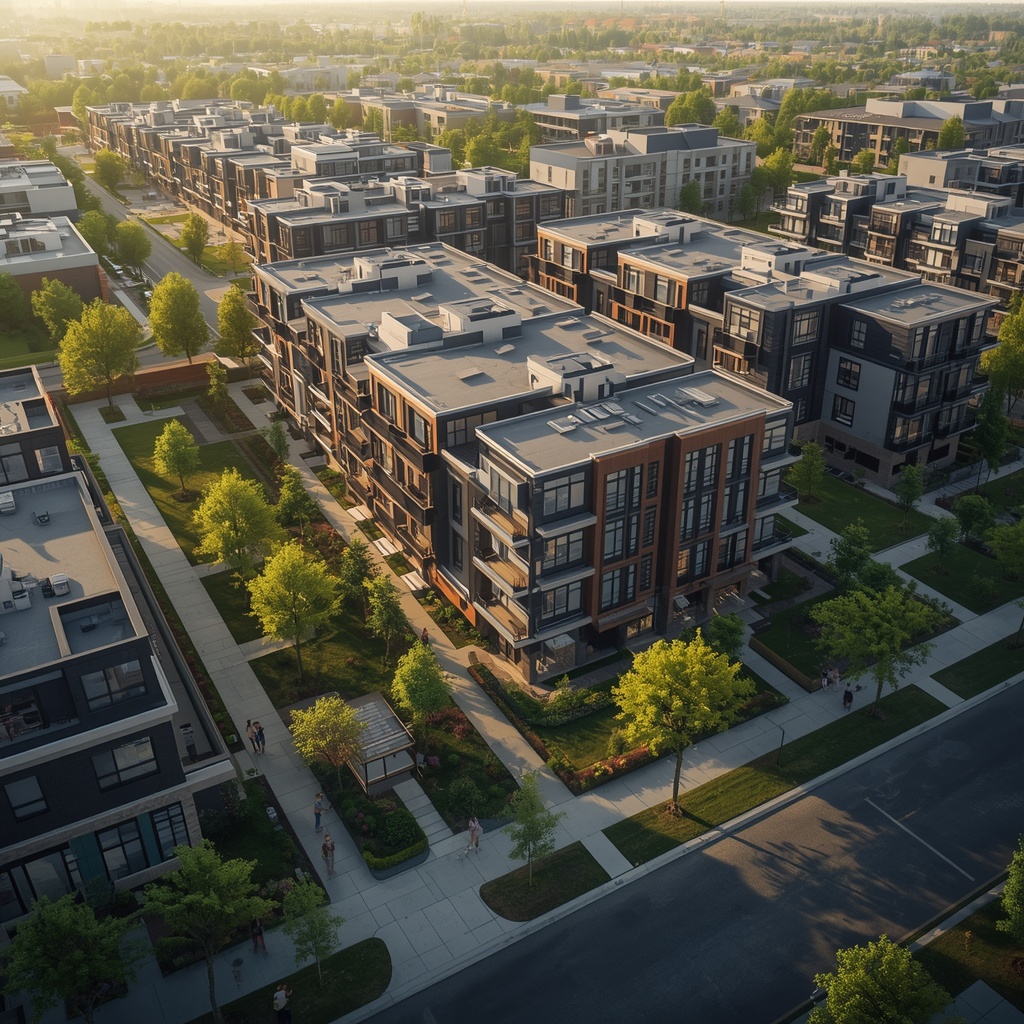
If you look at cities like Toronto, Vancouver, or even growing mid-sized areas like Halifax or Calgary, the changes are pretty obvious — taller buildings, denser communities, and a much stronger push toward mixed-use spaces.
Behind all of this, there’s always a development firm making decisions long before anything gets built. A Canadian real estate developmentisn’t just “constructing buildings” anymore. It’s more about deciding how people will live, move, and interact in a city over the next 10–20 years.
And honestly, the job has become more complicated than most people think.
What these development firms actually do
Most people see the finished building. What they don’t see is everything that happens years before that.
A development firm typically works through:
- land research and acquisition
- feasibility studies (which most projects fail at this stage quietly)
- zoning approvals and city discussions
- financing structure and investor planning
- design coordination with architects and engineers
- construction planning and execution
In Canada, this process is slower than many other countries. Not because of inefficiency, but because regulations, environmental checks, and community planning actually play a big role.
Sometimes a project idea takes longer to approve than to build.
Why development is getting harder in Canada
There’s a simple truth most people in the industry already know:
Demand is rising faster than supply can keep up.
But that’s only part of the issue.
A few real challenges developers deal with:
- construction costs keep shifting
- land in major cities is extremely limited
- approval timelines are unpredictable
- interest rates affect project viability
- public expectations for sustainability are higher than ever
So developers are forced to think differently now. It’s not just about building fast — it’s about building something that still makes sense 15 years later.
How modern Canadian development is changing
Something interesting is happening in the Canadian market.
Developers are moving away from single-purpose buildings. Instead, they’re building what you could call “small urban ecosystems.”
That usually includes:
- residential units
- retail spaces on the ground level
- office or flexible work spaces
- shared community areas
This shift isn’t random. It’s driven by lifestyle changes. People don’t want to travel far for basic needs anymore.
At the same time, cities are pushing for higher density instead of outward expansion.
So the result is vertical growth — more mixed-use towers and compact communities.
A Canadian real estate development firm in 2026 works differently
Something that’s changed a lot recently is how decisions are made.
Earlier, experience and intuition were enough.
Now it’s more structured:
- market data is analyzed before land purchase
- AI-based forecasting tools are used for demand prediction
- sustainability scores affect project approval
- investors expect transparency at every stage
But even with all this technology, real estate still isn’t fully predictable.
One small policy change or interest rate shift can completely change project timing.
That uncertainty is part of the business.
What makes a development successful today
In simple terms, successful projects in Canada now usually follow a few quiet rules:
They don’t overdesign.
They don’t overpromise.
And they don’t rush approvals.
Instead, they focus on:
- location demand stability
- long-term livability
- realistic cost planning
- adaptability in design
A building that looks good today but fails in usability tomorrow is no longer considered successful in the Canadian market.
Small case-style example
There was a trend in suburban areas where developers initially planned traditional housing layouts.
But demand shifted toward mixed-use residential zones.
Projects that adapted early — adding retail spaces and better transit connectivity — performed significantly better in occupancy and long-term value.
The ones that didn’t adjust had slower absorption rates, even if construction quality was similar.
That’s how sensitive the market has become.
Where things are heading
Looking ahead, Canadian real estate development is likely to move in three directions:
- more density near transit systems
- more sustainable building requirements
- more integration of residential and commercial space
And honestly, land will become less about ownership and more about optimization.
How efficiently a space is used will matter more than how big it is.
A Canadian real estate development firm is a company that plans, finances, and manages property development projects such as residential, commercial, and mixed-use spaces across Canada, shaping how cities grow and function.
Summary
A Canadian real estate development firm plays a central role in shaping urban growth by managing land development, construction planning, and investment coordination. In 2026, these firms focus heavily on mixed-use developments, sustainability, and data-driven planning to meet rising housing demand and evolving city infrastructure needs.
FAQs
What does a real estate development firm do in Canada?
It manages land development, planning approvals, construction coordination, and investment structuring.
Why is real estate development important in Canada?
It supports housing supply, urban expansion, and economic growth.
What challenges do developers face in Canada?
High costs, strict regulations, and land shortages are major challenges.
What is changing in Canadian real estate in 2026?
Mixed-use development, sustainability, and data-driven planning are becoming standard.
How do developers choose project locations?
They analyze demand, infrastructure access, and long-term growth potential.