Branding Inside Commercial Spaces: More Than Just Decor
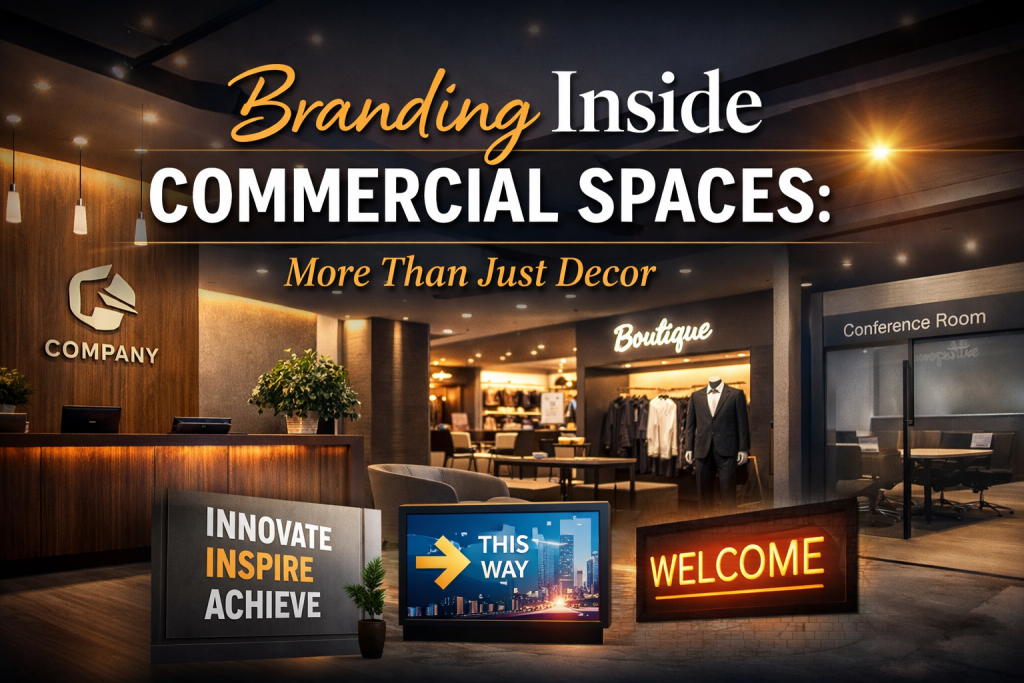
When people walk into a commercial space, they see way more than just walls and furniture – they experience a brand. From the minute they step inside, every single visual and spatial detail starts to shape how they see a business. That’s why interior branding has become a must-have part of modern commercial design. Businesses that are investing in things like Custom Signs NYC solutions are no longer just slapping up a sign – they’re treating signage as a key part of their overall branding strategy.
The Move from Pretty Decor to a Branded Experience
Traditionally, interiors were all about aesthetics and functionality. And those things are still super important. But today, commercial spaces need to do more – they need to tell a story, convey values and purpose. Whether you’re a retail store, office building, or hotel, the branding inside the space has a direct say in how customers feel about your business.
Interior branding goes way beyond just slapping your logo up on the wall. It’s about the typography, the colors you use, the materials you choose, the lighting, the way the space is laid out – and, importantly, your signage. When all these elements come together, they create a cohesive message that tells people what your brand is all about.
Why Interior Branding is So Important
1. First Impressions Are Everything
Studies show that people form an opinion in the blink of an eye – within seconds of walking in the door. A well-branded space can make you look like a total pro, while a generic or poorly designed interior can confuse or lose their trust.
2. Customer Experience is Everything
People don’t just buy products – they buy experiences. A space that’s been thoughtfully branded can nudge people naturally through the space, making it easy to find what they need and creating memories in the process.
3. Consistency is Key
When the physical space matches up with what you’re putting out on social media or in your marketing, it just sticks in people’s minds. They’re more likely to remember you and come back.
4. It Can Actually Influence Buying Decisions
By carefully placing visual cues and signage, you can nudge people towards the products you want them to see – like that new display of high-margin merchandise.
The Role of Signage in Interior Branding
Signage is super powerful in commercial branding, but often gets overlooked. It’s got a job to do – both practically and emotionally.
Functional Role
- Guide people through the space
- Give ’em the info they need
- Make the space more accessible
Emotional Role
- Reinforce your brand identity
- Create a visual impact
- Build trust and professionalism
Good signage just disappears into the background – it’s like it was always there. It feels like part of the space, not some awkward afterthought.
Types of Interior Branding Elements
1. Logo Displays
You usually see logos splashed across reception areas and entry points in big, eye-catching installations – be it backlit signs, fancy metal letters, or acrylic panels trying to make a lasting impression on visitors.
2. Wall Graphics
Think murals, vinyl graphics or those cool storytelling walls that tell the company’s history, values and mission in a super engaging way.
3. Wayfinding Systems
Signage that makes navigation a breeze is crucial – especially in big commercial buildings, offices and malls where people get easily lost.
4. Environmental Graphics
Here we’re talking about graphics that not only look pretty but are also integrated into floors, walls and ceilings to give the space a unique feel while reinforcing the brand.
5. Digital Displays
We’re talking screens or interactive signage here that businesses can update in seconds, and yet still manage to keep the brand looking consistent as all get out.
Designing for Consistency
One of the biggest headaches in interior branding is making all the different elements – from the font to the materials used – work together seamlessly. Every detail needs to align with the brand guidelines or it just doesn’t feel right.
Here are some tips for businesses:
- Try to stick to a single color palette throughout the space
- Use the same typography for all your signage, don’t mess about with a million different fonts
- Choose materials that fit the brand’s personality (wood is great for a warm, homely feel, whereas metal is more modern and sleek)
- Make sure your lighting doesn’t distort the brand colours but enhances them instead
Consistency doesn’t have to mean boring – it means creating a space where every detail feels like it was put there on purpose.
Branding for Different Commercial Spaces
Retail Stores
In retail branding should guide the customer journey from start to finish. Signage can be used to promote new products, direct foot traffic and highlight product categories. Put visual merchandising alongside branded signage and you’ll see a boost in sales.
Corporate Offices
When it comes to office branding it’s all about the company culture and identity. The way the space is designed should make the employees feel a connection to the company and also make a great impression on clients and visitors alike. Even the little things like conference rooms, workspaces and common areas can help reinforce brand values.
Hospitality Spaces
In hotels and restaurants it’s all about creating an atmosphere that evokes emotions – whether it’s comfort, luxury or excitement. Signage is just as important for aesthetics as it is for functionality.
Healthcare Facilities
In hospitals and healthcare facilities clarity and comfort are king. Good wayfinding signage takes the stress out of navigating for patients, while calming visual elements can really make a difference to the overall experience.
The Psychology Behind Interior Branding
Its only logical that colours, shapes and layouts would all have an effect on human behaviour – after all we’re wired to respond to visual cues. For example:
- Blue generally makes us feel trust and professionalism
- Red can be a bit urgent or exciting
- Open layouts encourage people to explore
And of course by understanding these psychological triggers businesses can not only create spaces that look good but also spaces that actually feel right.
Common Mistakes to Steer Clear Of
1. Tackling Signage at the Last Minute
The fact is, your signage should be part of the big picture from the get-go – not some afterthought slapped on when the design is all but finished. Guess what? When you do that, it can look like it’s been grafted on for all to see
2. Overloading the Place with Stuff
You can bet your bottom dollar that too much visual clutter can be overwhelming for visitors. What works way better is simplicity and making sure it’s easy to follow.
3. Giving Function a Skip
A gorgeous sign that doesn’t tell people where they’re going or what’s what – well, that’s just a waste of time and resources. A good sign’s gotta do it all – work great and look great.
4. Brand Idiosyncrasies Gone Wild
Mixing it all up – different styles, colours, and messages – that’s just confusing to customers and dilutes your brand in a big way.
What’s Next in Interior Branding
1. Immersive Experiences
The trend now is to create spaces that people will actually remember, rather than just looking nice.
2. Eco-Friendly Signage
Businesses are jumping on the sustainable bandwagon and using eco-friendly materials & signalling as much as possible.
3. The Rise of Smart Signage
Interactive, digital signs are popping up everywhere. They give you the ability to change things up in real-time, make it super personal.
4. Keep It Simple, Stupid
Clean & minimalist designs are out, cluttered visuals are out the door.
Final Words of Wisdom
Commercial space branding is no longer an option, it’s a must-have. It determines how a customer views your business, gets them to behave the way you want, and in the end, it makes or breaks your revenue. By taking all that in – signage, design, and storytelling – putting it all together in a master plan, you can turn your space into a real game-changer.and your space into a tool that does its job in the background – guiding, nudging, and leaving a lasting impression long after the customer has left and gone home.