5 Common Civil Works Mistakes to Avoid in 2026
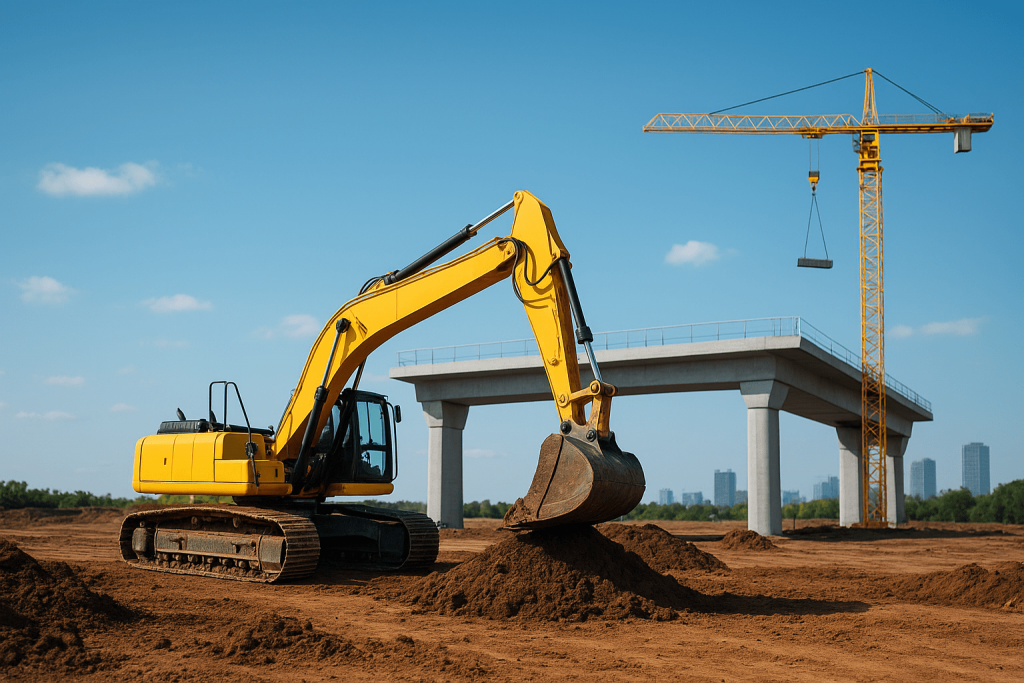
Civil construction has always evolved with time, but the pace of change heading into 2026 moves faster than most think. Smarter technology, shifting weather patterns, new regulations, and stricter expectations mean that even the best-planned projects can run into trouble that could be avoided. Yet the same mistakes keep happening: delays, rework, hidden site issues, and budget blowouts.
Most of these problems are not due to lack of effort but due to gaps in planning, communication, and preparation. On the positive side, each one of them can be prevented if one has the right level of awareness and groundwork.
1. Ignoring Ground Conditions Pre-Work
Almost every major issue in civil construction starts long before the physical work begins. Early assessments that are rushed or make assumptions about soil, underground utilities, or drainage behaviour mean the entire project becomes vulnerable.
An apparently stable site can have soft patches or pockets of moisture underneath. Utility drawings done long ago may no longer represent what’s actually underground. Even seasonal changes can impact excavation, compaction, and water flow.
Proper geotechnical investigations, updated surveys, and proper environmental checks give a better picture and reduce surprises later. It is one of the strongest foundations a project can have, and many companies take it seriously, such as SBA Civil.
2. Breakdowns in Communication between Teams
Civil works involve heavy coordination between the designer, engineer, contractor, and client. Further, even the smallest miscommunication can result in huge delays. A missed update or an unrecorded design change might not seem big in the moment, but it sets up completely different work sequences or qualities onsite.
The most frequent causes of delay are unclear responsibilities, late approvals, or the reliance on word-of-mouth instructions. Projects go smoothly when the communication is unified, documented, and steady. When everyone is aware not only of the plan but also of why things need to be done one way and not another, mistakes seldom happen.
3. Compromising Material Quality or Workmanship
The pressure of the budget often leads teams into taking shortcuts-something which the civil construction industry still sees too often. Using lower-quality materials, hurrying compaction, or skipping key steps might save time, but the long-term costs are far higher.
In nearly every instance, it can be tracked back to shortcuts: premature cracking, pavement failure, drainage problems, and structural weaknesses. Compliance standards are much stricter in 2026, and it tends to cost significantly more to replace faulty work rather than doing it right from the very start.
One of the best ways to protect both the structure and the budget is to select durable, New Zealand-suited materials and stick to tried-and-true construction processes.
4. Underestimating weather and environmental challenges
The New Zealand climate demands respect. The rainfall patterns, wind strength, and temperature swings can also throw a project completely off kilter if not accounted for early on. A lot of the problems-with everything from soil erosion to concrete failure-stem from teams not building enough weather flexibility into their plans.
A few common weak spots include:
- Pouring concrete in unstable weather conditions
- Poor sediment and erosion protection
- Underestimating stormwater movement
Given the much stricter environmental compliance, planning isn’t just an essential good practice. Some key steps toward avoiding weather-related setbacks: using recent climate data, preparing protective measures, and creating realistic timelines.
5. Poor Safety Management and Lack of Documentation
Safety is more than routine checks; it’s an entire ecosystem of planning, training, and documentation. Missing certifications, outdated hazard plans, or incomplete site records can shut down progress instantly. In civil construction, one overlooked document could mean the suspension of an entire operation.
Good safety practice involves daily toolbox talks, up-to-date risk assessments, and clear records reflecting the real conditions of the site. Proper training and equipment checks are very important in preventing not only accidents but also costly delays linked to compliance issues.
Teams that practice safety as a continuous process rather than a checklist have far fewer stoppages and a smoother overall build.
What 2026 Projects Need Most
Modern civil works require more foresight, more control, and increased attention to detail. Only those projects succeed where planning is comprehensive, communication is structured, and quality is not compromised. Keeping the above-mentioned five mistakes at bay will not only bring down costs but also enhance durability, safety, and performance in the long run.
Civil construction is continuing to move into an era of greater precision and accountability. Staying ahead of these common pitfalls is one of the most effective ways to ensure your project remains strong, compliant, and future-ready.
Final Thoughts
As civil work mistakes construction continues to evolve through 2026, the projects that stand out are those built on sound planning, clear communication, and a real commitment to quality. Avoiding the above common mistakes saves not only time but also protects your investment, strengthens long-term performance, and ensures your project will support the needs of the future. When every stage is treated with care, it speaks volumes in the results. Contact SBA Civil today: Allow the professionals to take the complexity off your shoulders while you focus on the outcome.