Ropeless Elevator Technology: Transforming Vertical Transportation with Smart, Efficient, and Space-Saving Solutions
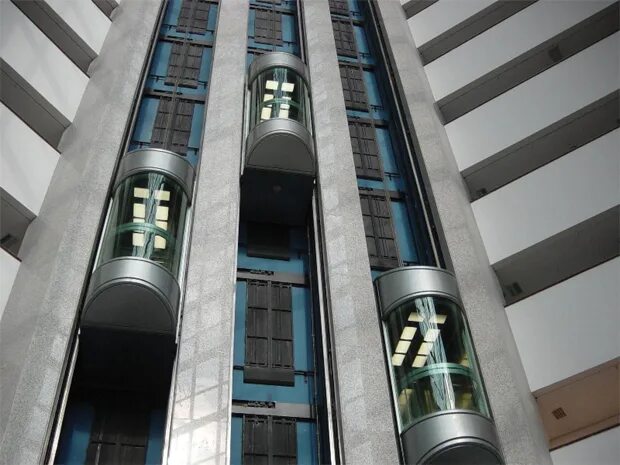
The development of increasingly taller skyscrapers in urban areas creates operational difficulties for standard elevator systems as these systems encounter challenges with their space requirements, energy consumption and their mechanical components. A ropeless elevator is a technology capable of solving these problems and, at the same time, has many other advantages. Read on to find out what ropeless elevators are, the pros of using them, and to what extent they are changing the look of modern buildings.
What Are Ropeless Elevators?
Ropeless elevators use electromagnetic technology for their operation that includes magnetic levitation and linear motors as their power sources instead of conventional rope and pulley systems. The systems enable movement in both vertical and horizontal directions, as it provides enhanced operational capabilities when compared to standard elevator systems. Ropeless elevators achieve their space-saving design as they do not require cables and machinery rooms that allows them to fit into complex architectural spaces.
Key Advantages of Ropeless Elevators:
- Space Efficiency
Conventional elevators require a spacious area as their operation needs both machinery rooms, vertical shafts and electrical cables. No-cable elevators do away with the need for these components, thus they come in a smaller and more adaptable shape. Hence, such systems are perfectly fit for skyscrapers where saving space is of paramount importance. The modern construction techniques offer architects broad capability in stacking useful spaces above others.
- Efficiency Energy
Ropeless elevators provide better energy efficiency compared to standard elevator systems. Conventional elevators use mechanical systems powered by motors and cables to lift and lower the car, consuming substantial amounts of energy. Ropeless systems operate with linear motors that consume less energy than traditional methods. The systems achieve environmental sustainability and economic efficiency through their operational system that meets contemporary architectural sustainability objectives.
- Improved Safety and Comfort
The primary benefit of ropeless elevators is their delivery of silent and smooth transportation services. On the other hand, a traditional elevator typically suffers from jerky movements induced by the combined actions of pulleys and cables. In sharp contrast, the ropeless elevators furnish a much steadier and more comfortable ride. Also, the chance of a breakdown is lowered when moving elements are reduced, thus contributing to the safety and reliability of ropeless elevators beyond the conventional ones.
- Design Flexibility
Ropeless elevators provide a great deal of flexibility when it comes to planning your building. By eliminating the requirement for enormous elevator risers and ropes, designers can easily place lifts in rather peculiar arrangements, thereby shaping the buildings with unusual appearance and variously purposed areas. Besides going up and down, these elevators can actually travel sideways, thereby greatly increasing the options for those dealing with complicated or high-rise structures.
The Ropeless Elevator Market: Growth and Trends
The market for room less lifts is flourishing due to the increasing demand for space-efficient and energy-efficient transportation solutions. According to Pristine Market Insights, the global market for ropeless elevators will grow as more developers and architects will see the advantages of these systems in urban settings. The technology’s feature of saving space, minimizing energy use, and enhancing safety is the reason behind its adoption in new developments as well as retrofitting projects. Moreover, the development of smart buildings is giving a boost to the need for sophisticated vertical transportation systems such as ropeless elevators. These systems work perfectly with other building technologies, thereby enabling a smarter and more efficient management of buildings.
Applications in Modern Architecture
Elevators without ropes work great in tall buildings like skyscrapers, commercial areas, or housing complexes where using conventional elevators wouldn’t be possible. They deliver quicker travel and less waiting time in skyscrapers. Since they can move sideways too, they can access buildings that have unusual layouts. Elevators like these are rapidly gaining a reputation as a smart choice for updating old buildings where there’s hardly any space left for traditional elevators. Since ropeless systems don’t require big elevator shafts or machine rooms, they can be put in without doing major structural changes, are translated into a more economical way of upgrading vertical movement in old buildings.
The Future of Ropeless Elevators
As the urban areas continue to expand and skyscrapers reach the sky, the technology behind ropeless elevators will be increasingly necessary for the entire city infrastructure. With the advancements in magnetic levitation and motor technology, ropeless elevators are expected to be faster, not too expensive, and at the same time, eco-friendly. Also, smart technology integration will give a real boost to user experience, allowing them to enjoy features such as automatic scheduling and predictive maintenance. Besides the ability of ropeless elevators to lessen the carbon footprint of buildings by saving energy, the construction industry’s demand for innovative solutions will also be the main factor that would promote their large-scale adoption. These elevators are therefore very likely to become a norm in the future high-rise buildings and urban areas.
POLLEN MACHINES is a trusted manufacturer of cutting-edge size reduction equipment, providing customized solutions for the polymer, food, chemical, and pharmaceutical industries. Combining technical expertise with innovative design, we create reliable machinery that improves process efficiency, ensures consistent product quality, and supports safe, cost-effective production operations.