How to Price Your Rental Competitively Without Losing Profit
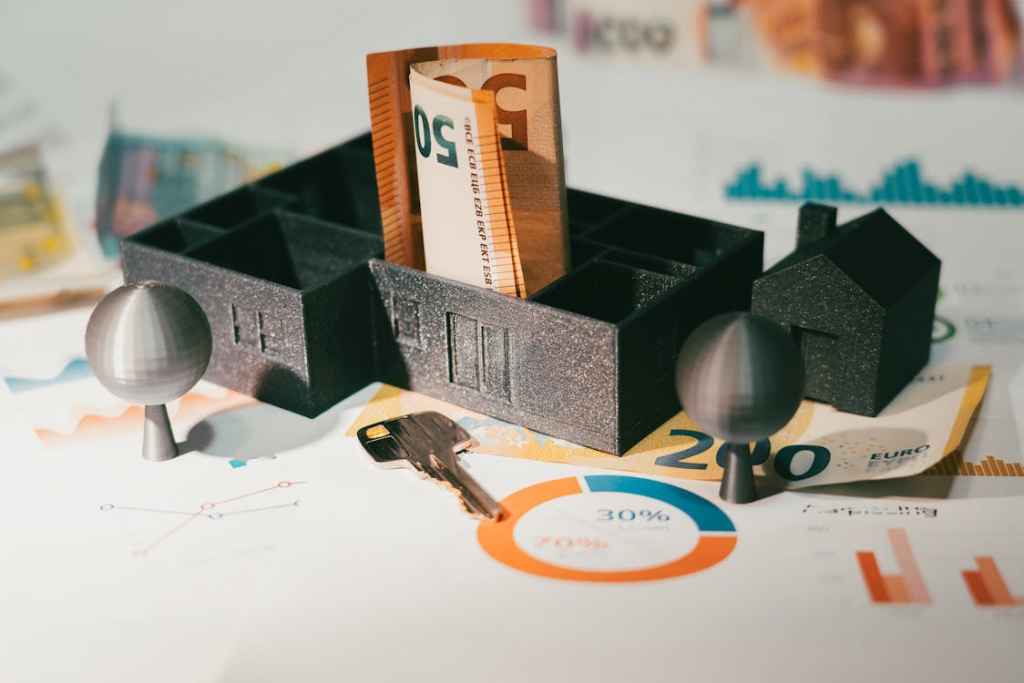
Finding the right rent is among the most difficult elements when you are a tenant. Set it too high and your property could sit empty. If you price it too low and you’ll lose each month. It is important to remain in the market while preserving your earnings.
This guide explains how you can price your rental effectively, employing real-world strategies that are applicable to both new and experienced landlords.
Understand Your Local Rental Market First
Before deciding on a price, before setting a price, you should be aware of what renters are currently paying in your neighborhood. Pricing without thinking is among the biggest mistakes landlords commit.
Review similar properties in the vicinity. Consider homes that match yours in terms of size, layout and condition. It is more important to consider location than people realize, especially within the same area.
When learning how to price rental properties, make sure you examine apples against apples. A newly renovated property with parking is always rented for more than an old one that has no extras.
Calculate Your True Monthly Costs
Profit is only realized when your rent is sufficient to cover all costs. A lot of landlords overlook the smaller expenses which can eat away at profits over time.
Include:
- Mortgage payments
- Taxes on property and insurance
- Repairs and maintenance
- Utilities you cover
- HOA charges, if any
- Vacancy allowance
When you know the total cost per month Add a fair profit margin. This is your base rent but not your final cost.
Study Demand, Not Just Numbers
Rental prices depend heavily on demand. A rental unit can be rented fast in summer but remain vacant longer during winter.
Do you ask yourself:
- Are rental prices rising quickly in your locality?
- Are there new constructions opening in the area?
- Are the neighborhoods popular for students, families or professionals?
Understanding demand will help you decide if it is worth more or less or to remain cautious. Understanding the right way to rate rental properties properly means that you adjust in accordance with the time and do not make assumptions.
Evaluate Your Property’s Unique Value
Each rental has its strengths. Your price should reflect the features that make your property appealing.
Certain features warrant rent increases:
- Bathroom or kitchen updated
- In-unit laundry
- Garage or parking
- Outdoor space
- Pet-friendly policy
If your property isn’t equipped with the latest features, it’s fine. The price should be fair and you should emphasize the value of your home instead of its the luxury.
Use Competitive Pricing, Not Emotional Pricing
Many landlords base their rent on personal connections. This usually leads to overpriced rent.
Your home may be unique to you, however, tenants compare their options rationally. They are concerned about quality, comfort and cost.
A good approach is to price a little lower than the top competitors in the beginning. This attracts attention, boosts inquiries, and cuts down on times of vacancies.
As time passes, you are able to increase rent slowly once the demand is established.
Test and Adjust Strategically
Pricing isn’t a permanent thing. It will change in line with the performance.
If your page receives a few inquiries or views, that is a sign. If you receive a lot of messages but not any inquiries, prices or terms could need to be adjusted.
When you are learning how to price rental properties, it is important to be flexible. Small changes can result in a huge difference.
Factor in Vacancy Cost Carefully
A unit that is empty costs more than the majority of landlords realize. A month of vacantness can wipe out months with higher rent.
Sometimes, lowering rent by a little amount helps to fill the space quicker. This can help protect your long-term income and help ease stress.
A slightly lower rate with a steady occupancy is often better than a higher rate with frequent vacancies.
Price Based on Long-Term Stability
Tenants who are reliable are worth more than the gains from short-term investments. The competitive pricing of renters attracts those who are planning to stay for longer.
Tenants who lease long-term reduce:
- Costs for turnover
- Repair expenses
- Time for marketing
This strategy results in regular income instead of seeking of higher rent.
List Your Property Widely and Smartly
Pricing that is perfect can be a failure without visibility. Your listing needs to reach the right target audience.
Make use of platforms that allow you to post rental property for free. Clean images, honest descriptions and clear pricing make renters believe in your listing.
Many landlords choose to list their rental property for free on several platforms to gauge the demand for their property and to adjust pricing rapidly.
The more information you collect from your inquiries, the simpler pricing decisions will become.
Avoid These Common Pricing Mistakes
Even experienced landlords make errors. Avoid these common traps
- Prices copied without confirming features
- Not paying attention to seasonal trends
- Refusal to change following feedback
- Aiming for the highest rent, instead of a steady income
The key to smart pricing is the balance, not the absolute perfection.
Final Thoughts
The right way to price your rental will be an art that grows through years of experience. The most successful landlords are those who observe the market, take note of renters and adjust without fear.
Knowing how to rate rental properties isn’t about undercutting other renters or charging too much. It’s about giving fair value and making sure you are able to protect your profits.
If you have the right information with a flexible mind-set and a solid listing strategy, you will remain in the game and make money simultaneously.