Step-by-Step Pre-Renovation Checklist for a Smooth Project
Key Takeaways:
- Define your renovation vision by focusing on three to five non-negotiable functional goals for the space.
- Set a realistic budget that includes a 20% contingency to mitigate financial risks from unforeseen issues.
- Hire professionals, checking their insurance, licenses, and references to ensure they’re a trustworthy expert and partner.
Making your house your own is exciting. Most homeowners with renovation dreams can’t wait to put on the work gloves and swing the sledgehammer. The feeling is admirable if a little misguided. Demolition is never the first step in a renovation (though it is satisfying).
In truth, blowing holes through walls and tearing down cupboards is further down the renovation checklist than you may think. Before any physical work, it’s necessary to think about the project as a whole, in its entirety. You want a pre-renovation checklist. A list to guide the decisions and actions to come, and that, dear reader, is why you’re here.
Where to Begin: Vision and Budget
What do you want from your renovated space? This is the first question to ask yourself. And it’s not about the design, the aesthetics; it’s about function.
Consider a traditional kitchen, one built in the ‘50s or ‘60s. It’s not designed to function for modern families. Most older kitchens are tighter spaces designed for cooking, not gathering or entertaining. Some older kitchens, or early aught kitchens, have some space for eating, but may miss the mark as the true heart of the home.
When creating a space, think about how it’ll affect your well-being, how it’ll make your family’s life simpler and more enjoyable. Plan a thoughtful space, one that inspires peace and creativity. Whether renovating a room or an entire house, write down three to five non-negotiable functional goals for the space. These can include things like:
- More natural light
- Additional storage
- Better lighting
- Improved energy efficiency
- Open floor plan
The Question of Budget
No one likes to talk about money. It’s the green hydra; the multi-headed serpent sent to poison your dreams of functionality, but not really. Money, and more specifically, a budget, is the guardrail of your renovation. With proper estimates, restraint, and management, it ensures a project meets your key functional requirements.
Most budgets do require compromises in design, but that doesn’t mean sacrificing quality or form. Homeowners who do their homework and receive estimates from skilled tradesmen should have no trouble settling on a realistic budget for a project’s scope.
Keep in mind that your total budget should include a 20% contingency on the estimated renovation cost (for design-build budgets). This is a high number, and one that likely means altering some design plans, but it limits the risk of overspending or budgetary hiccups from project deviations.
What’s Next: Find and Hire a Professional
Do yourself a favor and hire professionals to plan, design, and complete your renovation. Too many homeowners get inspiration from television networks that showcase DIY solutions or quick turnaround projects with unrealistic budgets. These companies and programs don’t reflect reality, and they often motivate people to take on tasks they’re ill-prepared to handle, resulting in budget overages, delays, and real property damage.
For large-scale additions, structural overhauls, or even modest renovations, it’s best to work with skilled, experienced professionals. A custom home builder with decades of experience is a better judge of construction costs than a TV host or a talented uncle (no offense, Uncle John).
Experience isn’t the only important trait of a professional. You’ll also want to look into customer reviews, and if possible, check out specific references and past projects. It’s also crucial to look into business licenses and insurance. And before you sign any contract, look for detailed payment schedules, responsibilities, and the scope of work. All of this ensures your protection should anything go wrong.
Now What: The Design Deep Dive
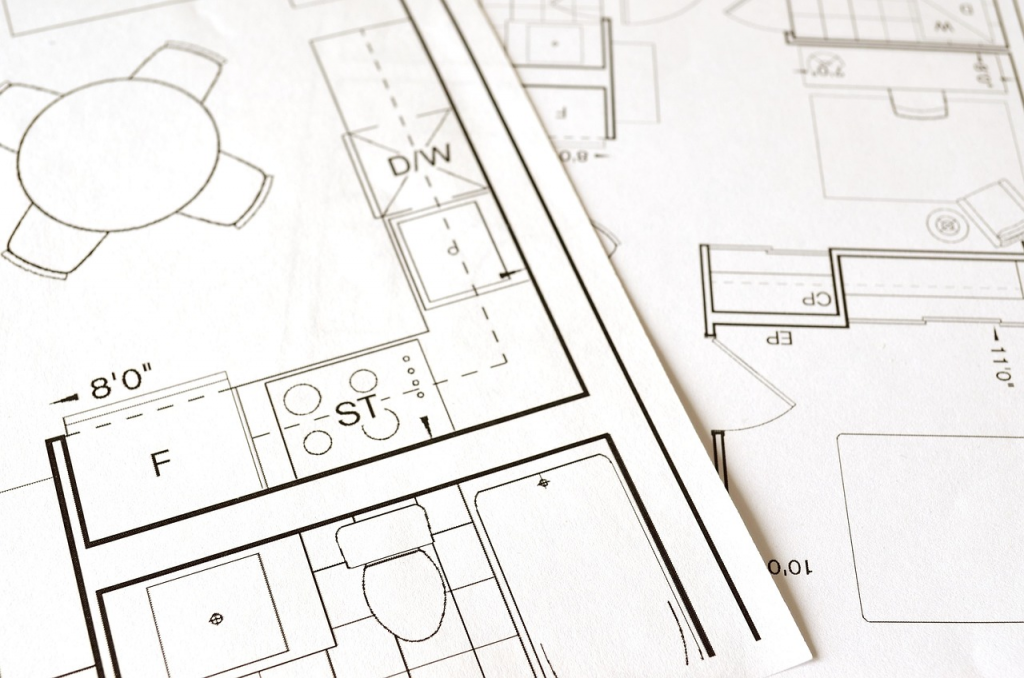
With a vision, budget, and team in place, now’s the time to settle on a final design. The design is more than aesthetics; it’s about floor plan decisions and structural changes. It’s plumbing and electrical layouts mixed with engineer and city approvals.
Beyond blueprints and permits, design does eventually return to beauty. What you’ll need to decide is how much you’re willing to spend on and wait for aesthetic elements. That one-of-a-kind handmade tile imported from Italy is breathtaking, but it also pushes you over budget, and the delays risk pushing project deadlines.
In the pursuit of beauty and functionality, it’s often necessary to compromise for the sake of the budget and timeframe. An experienced builder can work within your budget to implement design elements that meet and often exceed your expectations. That’s why working with a builder you view as a partner, a neighbor, and (dare say) a friend is so important. You want to work with someone you trust to help make crucial design decisions.
Where Do You Go? Logistics and Living Arrangements
If at all possible, move out during renovations. They’re messy, noisy, and disruptive in the best cases. You think you know dusty because you cleaned out your great-grandmother’s attic one summer? You don’t know anything until you’ve been through the whirlwind, permacloud of sawdust on a construction site. Still, sometimes you have no choice.
Living in a construction zone means setting up a temporary survival space. You’ll need a makeshift kitchen for food prep, dishwashing, and any other essentials you’ll be cut off from during construction.
Work with the crew to establish clear ground rules from the start. These rules should include:
- Work hours
- Parking spaces
- Bathroom usage
- Communication protocol
Establishing these rules from the outset maintains professionalism and decorum, protecting your family life and neighbor relations. Speaking of neighbors, if you live in a community governed by an HOA, be sure to check its regulations for construction hours, noise limits, and acceptable dumpster placement.
What’s Left: Fun and Enjoyment
Renovations are a lot of work, but they should also be joyful. After all, you get to turn your house into your dream home. How often do you get to do that? Sure, there’s a lot of preparation and a fair bit of frustration along the way (par for the course, unfortunately). But with the right partner, your renovation should be exciting. It should feel monumental, regardless of your budget. So, whenever you’re ready, start checking boxes and bring your vision to life.