Engineering Insights: The Science Behind Smart Site Selection
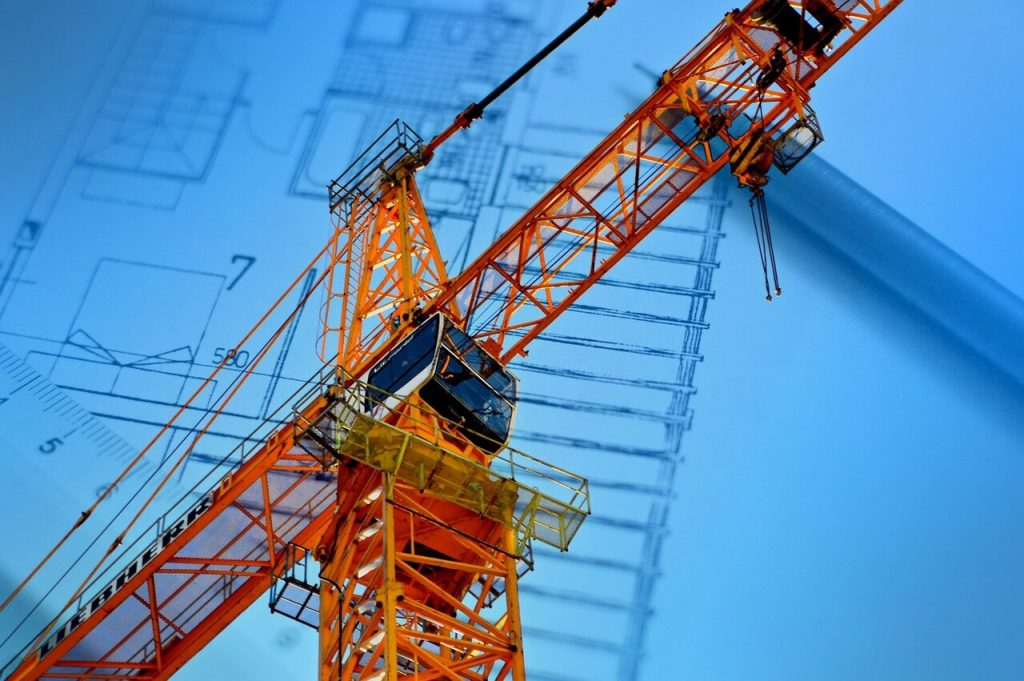
The site selection is an invaluable asset to any industry or infrastructural site development project. The site might look good on a piece of paper, well-connected, cost-effective land, regulatory approval, but without deep engineering evaluation, any hidden drawbacks may consign it to a boisterous liability. In fact, site selection is a science, given that it is full of data, engineering judgment, and project vision for the long term.
It is a realm where good engineering consultants in India and DPR project management consultancy India managers who have “been there and done that” with a history of successful project completions play a leading role in thickening dichotomous forests to pave the way for viable, efficient, and future-ready assets.
Why Site Selection Is an Engineering Decision, Not Just a Commercial One
Land purchase is often led by the commercial and legal departments. Yet in terms of engineering, the site selection has a far-reaching impact on direct and indirect costs, construction speed, and safety and efficiency during the ensuing decades.
An absence of inputs early on means late discovery; the realization of these without getting the consulting work regarding structural engineering consultants and architectural/structural engineering services. It costs heavily and may prove disruptive.
Topography, Drainage, and Climate Resilience
Natural land shapes contribute a great deal toward the efficacy of construction and operational sustainability. Overburdening in fill and poor drainage and flood-prone areas will highly inflate earthwork costs and delay the scheduling.
Good engineering design consultants India will take note of:
- The amount of natural slope available, and grading requirements
- Stormwater flow patterns
- Flood history and water table behaviour
- Wind factors and climatic exposure
Infrastructure Connectivity and Load Capacity
Infrastructure makes the site. Factors such as access to power supply, water supply, sewage facilities, road access, and utility corridors need to be carefully considered not just for the present circumstances but also, and importantly, for the expansion.
Construction project management consulting firms India Regulatory requirements do not solely pertain to acquiring zoning approvals. The greetings of environmental clearances upon buffer requirements, emission norms, and sustainability requirements vary by region and by industry.
- Specialized engineering design and consulting India secure projects in a regulated climate.
- The applicability of environmental restrictions could influence the project layout
- Compliance costs have a direct impact on project viability
- Long-term operational limitations
- Statutorily required risks while specializing in specific industries
With sectors like petrochemical and energy, early-stage engineering-led compliance planning prevents approval delays of months or even years.
The Role of 3D Modeling in Site Feasibility
The contemporary 3D modeling and detailed engineering services let the stakeholders justify the siting of a facility on any chosen site before moving onto construction. Combined with conceptual layouts, the digital terrain model extends a powerful window for feasibility and cost implications.
The advantages include
- Visual validation of site utilization at an early stage
- Early clash detection with terrain and utilities
- Reasonably accurate estimation of earthmoving and grading operations
- Reasonable infrastructure setups
Such a data-driven approach significantly enhances the accuracy of decision-making and, therefore, investor confidence. Specialized engineering consultants in India are professionals who consider:
- Capacity and redundancy for power load
- Water availability for industrial processes
- Efficiency of logistics for raw material handling and dispatch
- Emergency services and safety compliances
Regulatory and Environmental Engineering Assessment
1. Site Selection in High-Risk Industries
For industries like oil and gas, steel, and heavy manufacturing, the choice of site determines to a great extent the safety, compliance, and continuity of operations. Oil & gas engineering design services require thorough evaluation of exclusion zones, hazardous area classification, and access to emergency response, among others, to help them achieve the desired results.
2. Engineering-led site evaluation in this area guarantees:
- Safe separation distances,
- Efficient process flow,
- Regulatory compliance.
The best projects are the result of early cooperation between industrial project management consultancy India, design teams, and engineers. The unified method guarantees that the picking of a location corresponds to:
- The order of building operations,
- The buying plan,
- The goals of operation for the long run.
Construction design services India that are based on a holistic approach not only allow the project to be completed on time and within budget but also turn location selection from a mere formality into a source of competitive advantage.
Conclusion
Smart site selection is not merely about finding available land; it is rather about pinpointing land that is compatible with engineering, and not the other way around. Through the early inclusion of seasoned structural engineering consultants, engineering consultancy services and multidisciplinary project management teams, companies can considerably lower risk, fine-tune costs, and make their investments safe for the future.