Choosing Laminates & Veneers that Look Balanced Together
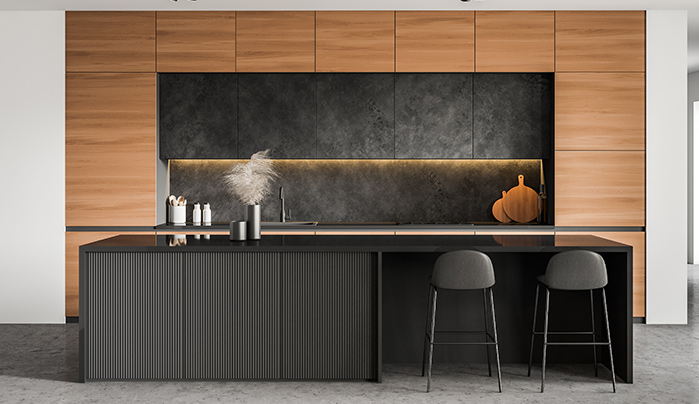
In interior work, finish matters more than most people realise. A poor colour match can spoil the entire room even if the structure is perfect. That is why designers spend extra time selecting laminates for interior applications. Each laminate must match its partner veneer. Both must reflect the room’s character. Designers use visual tests plus lighting checks to avoid mismatched pairs. Interior designing services focus on how surfaces appear across changing conditions. That balance makes the design feel smooth and connected rather than cluttered or forced.
Balance begins with contrast control
Designers work with contrast to create layers in a space. But too much contrast can feel noisy or disconnected from the rest. Laminates for interior elements should pair with veneers that reduce visual clash. A dark walnut veneer works best with lighter laminate accents. A pale oak laminate may suit darker grain veneers. Interior designing services always test combinations under natural light. This helps avoid mistakes that only become obvious after installation. The goal is to make surfaces complement each other instead of competing for attention.
Textures must feel connected and calm
Visual texture should not confuse the eye. It should lead the viewer smoothly across panels, cabinets or partitions without causing discomfort. Laminates for interior spaces now come in glossy, suede, matte and embossed textures. Veneers offer grain depth plus warmth. If one surface is loud, the other should stay soft. Interior designing services often suggest textured laminates only when the veneer is plain. This helps maintain balance. Too much grain or shine on both surfaces makes the design feel overworked and tiring for daily use.
Tones should carry a consistent theme
The human eye finds comfort in repeated tone families. That is why tone selection matters in laminate and veneer pairing. Laminates for interior design can be warm like beige or cool like grey. Veneers may carry red, yellow or brown undertones. Designers match warm laminates with warm-toned veneers. They avoid mixing a yellow base laminate with a red grain veneer. Interior designing services create moodboards to check tone harmony across zones. This helps the space feel calm and well-linked from one area to the next.
Patterns must not fight with each other
Too many visual patterns in the same area confuse the user. That applies to flooring, wall panels and cabinetry. Laminates for interior elements should carry simple geometric lines when used with strongly patterned veneers. If both surfaces have pattern movement, it leads to visual clutter. Designers choose one primary surface and one secondary support. Interior designing services often repeat that rule across large projects. That builds consistency without making the space feel boring. Pattern control helps reduce decision fatigue during material selection.
Function always shapes surface selection
Looks are never enough. Surfaces need to handle the job they are given without wearing out too soon. Laminates for interior furniture must handle frequent touch. Veneers need sealing to protect against water or oil. Designers check usage first. A kitchen may get a scratch-proof laminate while a bedroom may use a polished veneer. Interior designing services classify spaces by activity. Then they pick finishes that match those behaviours. This way the balance is not only visual but also practical for everyday use.
Room purpose decides which material leads
Every space has a purpose. That purpose decides which surface should get focus. Laminates for interior vertical units may take visual lead in compact spaces. Veneers dominate when the room needs warmth. Designers never push both together. They let one finish speak while the other supports quietly. Interior designing services test this in sample boards. They study how finishes react to light, dust or fingerprints. A balanced room comes from this layered thinking. It is not about budget but about control and flow.
Light changes how surfaces behave
Surfaces change under different light conditions. A grey laminate may look purple under yellow light. A dark veneer may feel too heavy in shadow zones. Designers always test laminates for interior use under real room light. They view samples at different times of day. Interior designing services bring client inputs into this process. That helps avoid surprises post-installation. A surface that looks good in the showroom may behave differently on-site. Balanced design demands light awareness across every surface.
Durability needs to support design decisions
No matter how good the veneer looks, it must survive heat, dust and daily wear. Laminates for interior applications usually offer better resistance. That is why designers place laminates in wet or high-touch zones. Veneers are reserved for areas that need depth plus elegance. Interior designing services follow this rule across kitchen units, wardrobe shutters and study rooms. This balance between looks and strength protects the design from early ageing. It also reduces complaints and touch-ups in the long run.
Here are five surface pairing rules designers follow
• Match undertones before checking grain.
• Keep one surface textured plus the other simple.
• Avoid gloss-on-gloss or grain-on-grain combinations.
• Test lighting before final selection.
• Choose material based on use not only colour.
Balance is a habit not a shortcut
Designers do not get balance by accident. They get it by planning every pairing with care and asking the right questions early. Laminates for interior jobs must pair with veneers that share their mood not just their colour. Interior designing services make this a team habit. They create test setups before full-scale use. This makes the outcome more predictable. It also brings clarity to the client about what they are getting. Design is not about luck. It is about measured decisions made over time.
Final word
A surface may either reflect or absorb light. It may be warm or dull expression. These surfaces when matched well complete the room. Interior work laminates will continue to increase in choices of colour and finish. Their application should always be based on design purpose. Their effect is realized by matching them with the appropriate veneer. To ensure the wise selection of materials with visual equilibrium and practical support, Interior Designing Services by CenturyPly provide consistent assistance in both home and business premises.