Acoustic Plasterboard Ceiling Explained: Benefits, Uses, and Installation Guide
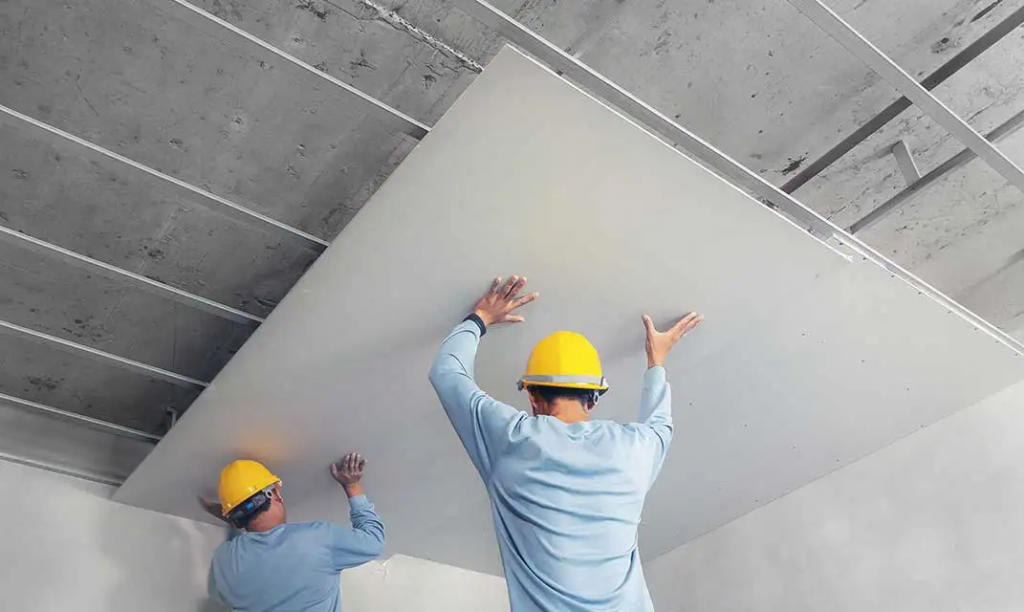
In modern buildings, noise control has become just as important as aesthetics and functionality. Whether it is a home, office, school, hospital, or commercial space, unwanted noise can significantly impact comfort, productivity, and overall quality of life. This is where an acoustic plasterboard ceiling plays an important role.
An acoustic plasterboard ceiling is designed to reduce noise transmission between rooms and improve sound quality within a space. It combines standard plasterboard construction with sound-absorbing materials or specialised acoustic boards to control reverberation and airborne noise.
In this guide, we will explore what acoustic plasterboard ceilings are, how they work, their benefits, applications, installation process, and why they are becoming increasingly popular in modern construction.
What Is an Acoustic Plasterboard Ceiling?
An acoustic plasterboard ceiling is a ceiling system made using specially designed plasterboards that help reduce sound transmission. These boards are engineered with higher density or acoustic insulation layers that absorb sound vibrations instead of allowing them to pass through walls or ceilings.
In simple terms, it is a ceiling solution that helps keep noise where it belongs.
Unlike standard plasterboard, acoustic versions are designed to:
- Reduce airborne noise (voices, music, TV sounds)
- Minimise impact noise (footsteps, movement above ceilings)
- Improve sound clarity within a room
- Enhance privacy between floors or rooms
This makes it a preferred choice in both residential and commercial construction projects.
How Does an Acoustic Plasterboard Ceiling Work?
The performance of an acoustic plasterboard ceiling depends on how it is constructed and the materials used within the ceiling system.
Typically, it includes:
- Acoustic plasterboards with higher density
- Insulation layers such as mineral wool
- Metal or timber framing systems
- Sealing materials to prevent sound leakage
When sound waves hit the ceiling, the dense plasterboard and insulation layer absorb and reduce vibration. Instead of sound passing directly through, it gets weakened and dispersed, resulting in lower noise transfer.
This combination of materials helps create a quieter and more comfortable indoor environment.
Key Benefits of Acoustic Plasterboard Ceilings
1. Improved Noise Reduction
The primary benefit is effective sound control. These ceilings significantly reduce noise transfer between floors, making them ideal for multi-storey buildings.
2. Better Privacy
In homes, offices, and apartments, privacy is essential. Acoustic ceilings help prevent conversations and other sounds from travelling between rooms.
3. Enhanced Comfort
A quieter environment improves relaxation at home and increases productivity in workplaces. Reduced background noise creates a more comfortable living and working space.
4. Modern Aesthetic Finish
Acoustic plasterboard ceilings offer a smooth, clean, and modern finish. They can also be painted or decorated to match interior design themes.
5. Fire and Thermal Benefits
Many acoustic plasterboards also come with fire-resistant and thermal insulation properties, adding extra safety and energy efficiency benefits.
Common Applications of Acoustic Plasterboard Ceilings
Acoustic plasterboard ceilings are used in a wide range of settings where sound control is important.
Residential Properties
In homes, they are commonly installed in bedrooms, living rooms, and between floors in apartments to reduce noise from upstairs neighbours or household activity.
Offices and Workspaces
Open-plan offices often suffer from noise distractions. Acoustic ceilings help create focused work environments by reducing echo and background noise.
Educational Institutions
Schools, colleges, and universities use acoustic ceilings in classrooms and libraries to improve speech clarity and reduce distractions.
Healthcare Facilities
Hospitals and clinics require quiet environments for patient comfort and recovery. Acoustic ceilings help maintain a peaceful atmosphere.
Hospitality and Commercial Spaces
Hotels, restaurants, and entertainment venues use acoustic systems to enhance customer experience and control noise levels.
Types of Acoustic Plasterboard Systems
There are different types of acoustic plasterboard solutions depending on project requirements.
Standard Acoustic Boards
These are designed with higher density materials for basic sound reduction needs.
Perforated Acoustic Boards
These boards contain small perforations that help absorb sound waves more effectively.
Multi-layer Systems
These systems combine plasterboard layers with insulation materials for maximum noise control performance.
Suspended Acoustic Ceilings
These are installed below the structural ceiling to create an air gap that further improves sound insulation.
Installation Process Overview
The installation of an acoustic plasterboard ceiling involves several steps and should ideally be carried out by professionals for best results.
Step 1: Framework Setup
A metal or timber framework is installed to support the ceiling structure.
Step 2: Insulation Placement
Acoustic insulation materials, such as mineral wool, are placed within the ceiling void.
Step 3: Fixing Plasterboards
Acoustic plasterboards are securely fixed to the framework using screws and proper alignment techniques.
Step 4: Sealing Joints
All joints and gaps are sealed to prevent sound leakage and improve performance.
Step 5: Finishing Work
The surface is plastered, sanded, and painted to achieve a smooth final appearance.
Acoustic Performance Factors
Several factors influence how effective an acoustic plasterboard ceiling will be:
- Thickness of plasterboard
- Type of insulation used
- Quality of installation
- Sealing of gaps and joints
- Structural design of the building
Even small installation mistakes can reduce overall performance, which is why proper design and execution are important.
Acoustic Plasterboard vs Standard Plasterboard
Standard plasterboard is mainly used for basic ceiling and wall construction, while acoustic plasterboard is specifically designed for sound control.
The key difference lies in density and sound absorption capability. Acoustic boards are heavier and engineered to reduce noise transmission, making them suitable for environments where sound control matters.
Why Acoustic Ceilings Are Becoming More Popular
With modern architecture focusing on open spaces and multi-use buildings, noise management has become a priority. People are increasingly aware of how sound affects comfort, productivity, and mental well-being.
As a result, acoustic plasterboard ceilings are now widely used in both residential and commercial construction projects to improve indoor living standards.
Final Thoughts on Acoustic Plasterboard Ceilings
An acoustic plasterboard ceiling is an effective and practical solution for controlling noise and improving indoor comfort. Whether used in homes, offices, schools, or commercial buildings, it helps create quieter, more private, and more comfortable spaces.
With benefits like sound reduction, improved privacy, modern appearance, and additional insulation properties, it has become a key element in modern building design.
For anyone planning construction or renovation, investing in acoustic ceiling systems can significantly enhance the quality and functionality of interior spaces while meeting today’s building standards and lifestyle expectations.