How to Spot 5 Signs Your Roof Needs Attention
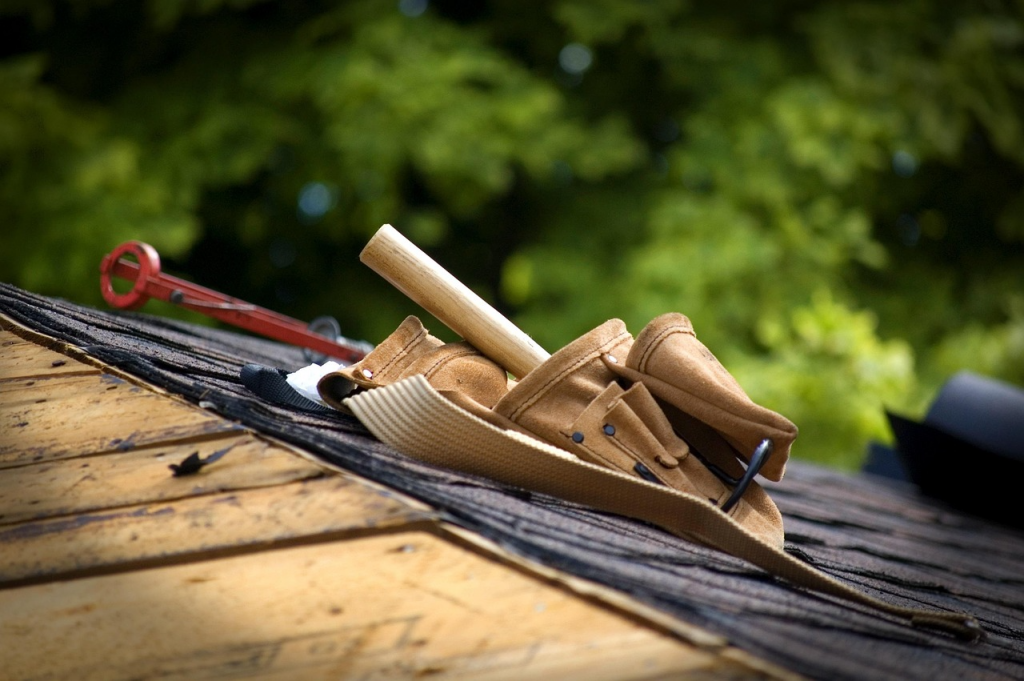
Roof damage is insidious – if it’s not very loud and sudden! In fact, most roof damage happens very quietly, over time, without any obvious warning signs. You just might not see damage, like a blown-off shingle or a dramatic leak. In fact, a roof can appear perfectly fine from the ground while significant damage continues beneath the surface. Left unattended, this damage results in serious structural damage and costly repairs.
Homeowners should always be taking proactive steps to maintain their roofs. And, with the help of experienced roofers, they can promptly address seen and unseen damage. The first step is keeping a careful eye on your roof to recognize early signs of damage and act quickly.
If you see any of the top five signs of roof damage, your roof needs quick attention.
Early Indicators of Roof Damage
Here are key warning signs:
Water Stains and Leaks
Homeowners do all they can to keep their homes in good condition, and there’s no shortage of home maintenance tips available. But if water has found its way inside your home, you’ve got trouble. Yellow or brown streaks on your wall or ceiling are one giveaway. Light yellow water stains indicate recent leaks, while brown stains suggest the problem has been there a while.
And, this isn’t just a cosmetic problem. It’s not unusual to find mold and mildew in the area around the water stains. Mold and mildew thrive in wet or high-humidity organic surfaces like wood, paper, and drywall. They typically show up within 24-48 hours of a wet event, like a leak in areas with poor ventilation. If you notice a musty smell or visible mold in your attic or other areas of your home, act quickly.
Might seem obvious, but keep an ear out for dripping sounds. Although the water could also be from a leaking pipe, your HVAC system, or condensation, it’s best to call for a roof inspection the next day to make sure. Besides, even if the water is not dripping from a broken roof, you may still need a roofer’s help to fix any damage to your roof structure.
Missing, Broken, Cracked, or Curling Shingles
If your roof shingles are broken, cracked, or curling at the edges, your home’s protection is no longer intact. Repeated freezing and thawing cycles impose repeated stress on shingles, causing their protective layers to break down and result in curls and cracks. Missing and broken shingles are often caused by strong winds or impact from hail and debris.
These issues compromise your roofing system by creating access points in the shingles and exposing the underlayment underneath. Water will seep into the roof structure, leading to mold and rot over time. If a routine inspection reveals breaks, cracks, or curling of your shingles, or if you notice shingles lying in your yard after a storm, have the issue addressed early to prevent extensive roof damage.
A Sagging Roof Deck or an Uneven Roofline
Your roofline should appear straight and even. If there are curves, dips, or sagging in certain areas, this is not good. Your roof likely has serious structural issues, which could be from water damage, excessive weight, the use of substandard materials, or simply poor roofing design. Structural roof problems undermine your home’s integrity, and in some cases, the entire roof could collapse. Call for professional help to assess and address any sagging.
Shingle Granules in Gutters
Asphalt shingles are coated with protective granules. This sand-like material shields the shingle core from the elements. Over time, the protective layer wears off. If the granule loss is excessive, you’ll notice granules collecting in the gutters or at the base of your downspouts. That’s a cue that shingles are breaking down, and it’s time to get someone up there to take a look.
Granule loss diminishes your roof’s ability to reflect sunlight and resist moisture, increasing its vulnerability to leaks and heat damage. It’s often caused by severe weather or inadequate ventilation. Regular gutter inspection, particularly after storms, can help you spot this issue before it worsens.
Aging and Needing Frequent Repairs
unsplash.com/photos/a-red-brick-building-with-a-blue-sky-in-the-background-0zNhO0fFSyM
Sometimes, the only signal that your roof needs attention is its advanced age. Every type of roof has an expected life based on material quality, maintenance, and climate. For example, most shingles last 20-30 years, so if your shingle roof is approaching or is within this age range, it may need replacing, even if it appears fine from the ground.
Frequent repairs are also a warning sign that the problem is bigger than imagined. If you’ve had to fix leaks here and there, it’s likely your roof is not in good shape. This is common in older roofs or roofs that were improperly installed. The costs of repairs add up so quickly that replacing the roof altogether might be a more cost-effective option.
Get Roof Problems Fixed Early
Roofing issues ignored do not go away. Instead, minor issues escalate into major problems that are costly to fix. Water stains and leaks, a sagging deck, excessive granule loss, aging, and damaged shingles are all signs that a roof needs immediate attention. It can’t be ignored! However, it’s even better if you can catch and fix roof issues early before they develop into bigger issues. So, schedule annual roof maintenance to detect and correct hidden problems and follow up with appropriate repairs or replacement by a local expert.