Top Budget-Friendly Ideas to Protect Your Home
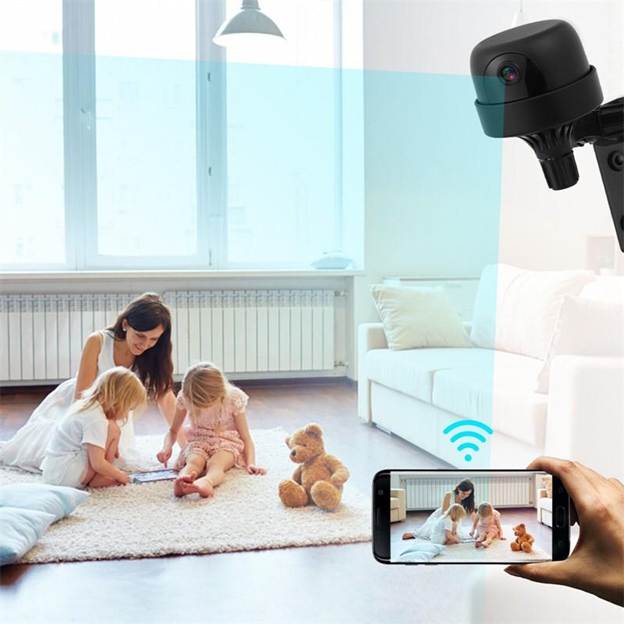
Setting up home security can feel overwhelming. You walk into a store or browse online and suddenly you’re drowning in options. Cameras that see in the dark. Sensors that detect movement. Alarms that connect to your phone. The truth is most people just want their family safe without turning their house into Fort Knox. You need a system that catches problems before they happen but doesn’t go off every time the cat walks past a sensor. This guide breaks down what actually matters based on what works in real homes.
Why Home Security Matters
Burglars don’t pick houses randomly. They watch neighborhoods for a few days. They notice which homes have packages sitting on porches. Which driveways stay empty during work hours. A friend of mine learned this the hard way when someone broke in at 2 PM on a Tuesday. Took everything valuable in under five minutes. Insurance helped but the violation of privacy felt worse than losing stuff. Your home contains more than furniture now. Your kids’ schedules are on the fridge. Work documents sit on your desk. Smart devices track when you’re home. One break-in exposes way more than you realize.
Budgeting for Security
Walk into any security store and they’ll try selling you the $5000 package. Don’t fall for it. Basic DIY systems run about $300 to $500. Professional setups cost between $1000 and $3000 depending on entry points. Monthly monitoring runs $20 to $60. Some people skip monitoring to save money. Bad move. What’s the point of cameras if nobody’s watching when something happens? Companies like the security guard company in Stockton prove that real people verifying alerts beats automated systems. Your Ring camera might ping you 20 times a day. Monitoring services call when there’s actual danger. Budget for maintenance too. Batteries die. Sensors need cleaning. Plan for three years of costs upfront.
Protecting Data and Privacy
Security cameras can become security risks. Hackers love poorly protected systems. Last year someone hacked nursery cameras and started talking to kids. Your first defense is a strong password. Not your birthday or pet’s name. Something random like “Tr7$mPq9&Ln2” stored in a password manager. Turn on two-factor authentication everywhere. Update firmware when the app bugs you. Those updates patch holes hackers exploit. Read privacy policies before buying. Some companies sell your data to advertisers. They know when you leave for work and come home. Get a system with local storage if possible. A hard drive in your house beats cloud storage depending on company servers.
Avoiding Common Mistakes
Most people mess up in predictable ways. They hide cameras thinking they’ll catch burglars on film. Wrong. You want burglars to see cameras and choose someone else’s house. Check for blind spots. I’ve seen setups with five cameras on the front door and zero on the back sliding door. Burglars will find your weak spot. Test your system monthly. Set off the alarm on purpose. My neighbor had sensors that died six months after installation. Found out during an actual break-in. Get to know people on your street. Share phone numbers. When the Martinez family went on vacation last summer the whole block kept an eye on their place. Someone noticed a strange car and called police. False alarms are another problem. If your system calls police because your dog walked past a sensor five times a week they’ll stop responding.
Key Features to Consider
Motion detection sounds simple until you realize cheap sensors can’t tell the difference between a person and a trash bag. Spend extra for sensors that recognize human shapes. Night vision matters. Most break-ins happen after dark. Get cameras with infrared that show clear footage at night. Two-way audio lets you tell the Amazon driver where to leave packages. Or warn off someone snooping around. Being able to check cameras from your phone saves trips home. Wondering if your teenager made it home from school? One quick look answers that. Professional monitoring costs extra but someone needs to call police when alarms go off at 3 AM. Pick systems that let you add features later. You might want just cameras now but smart locks next year.
Conclusion
Setting up security doesn’t need to be complicated. Figure out what you’re actually protecting. Get cameras that cover entry points. Make sure sensors work with pets if you have them. Don’t cheap out on monitoring. Test everything once a month. The goal isn’t building a perfect fortress. It’s making your home harder to break into than your neighbor’s. Burglars want easy targets. Give them a reason to move on. Start with basics and add features as your budget allows. Your family deserves to feel safe at home.